Why the Setup of a Workshop Matters More Than You Might Think
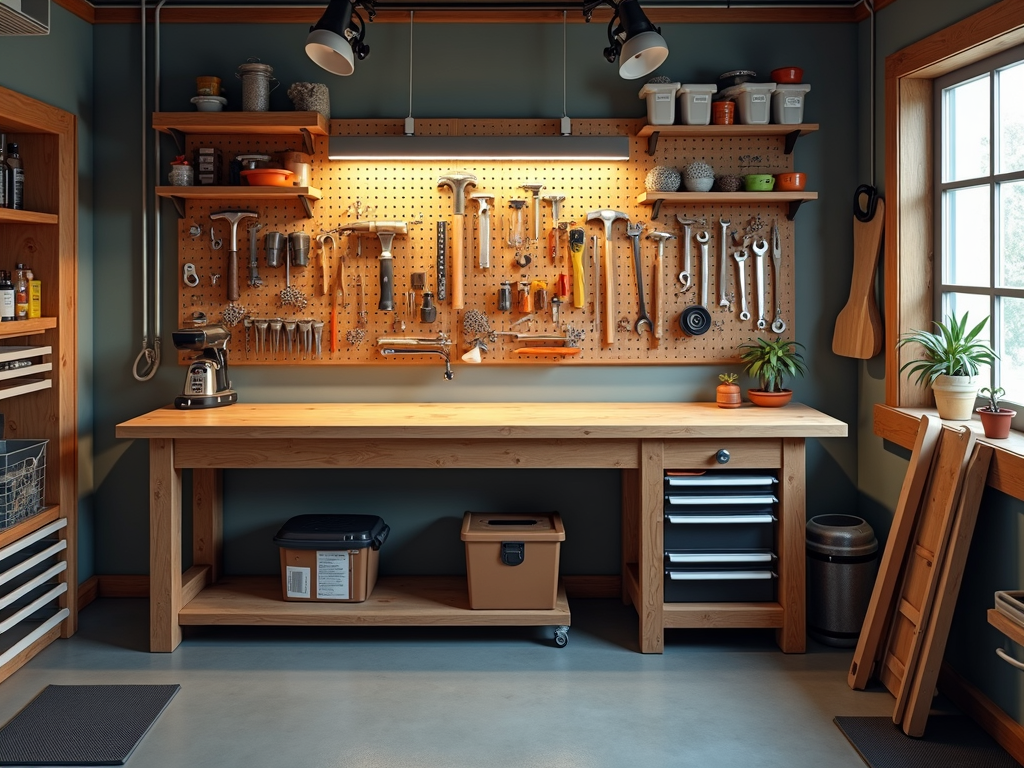
A workshop is more than just a room with tools. It is a space where people solve problems, fix things, or build something from scratch. That is why how the space is set up matters so much. A good layout can make tasks quicker, help avoid mistakes, and even prevent injuries. On the other hand, a messy or uncomfortable space can slow everything down and make simple jobs feel harder than they should be.
When a workshop has strong furniture, good lighting, and the right storage, it becomes easier to focus. You are not wasting time looking for tools or moving things out of the way. Everything is where it should be, and that makes a big difference.
The Role of Furniture in a Productive Workshop
One of the most important parts of any workshop setup is the furniture. That includes things like workbenches, tool cabinets, drawer units, and shelving. These may seem simple, but they are the backbone of how a workshop functions.
For example, a workbench that is the right height and size helps you stay comfortable, especially during long projects. Strong cabinets keep tools safe and organized, so they are always easy to find. When everything has a place, there is less clutter, and it is easier to keep the space clean.
Some manufacturers, such as Dura Ltd, offer furniture made specifically for workshops. These kinds of products are designed to handle heavy use, provide extra storage, and last for years without breaking down.
What Makes Workshop Furniture “Good”?
There are a few features that can tell you whether a piece of furniture will truly help in a workshop.
First, durability matters. Furniture that shakes, bends, or wears out quickly is not safe or helpful. Solid materials like steel frames, hardwood tops, and well-made drawers are usually better choices.
Second, flexibility is important. Can the units be moved around if needed? Can the storage be adjusted as your tools and tasks change? A flexible setup makes it easier to grow or adapt your workspace over time.
Third, safety should always be considered. Rounded corners, strong weight limits, and smart tool storage help protect both people and equipment.
How Layout Can Affect Workflow
It is not just the furniture itself that matters—it is also where and how it is arranged. A smart layout means that everything you use most often is close by. You should not need to walk across the room five times just to get the same tool.
For example, if you do a lot of electrical work, it makes sense to keep wire cutters, pliers, and tape near your main bench. If your work is more focused on wood, then saws, clamps, and measuring tools should be within reach.
Some workshops even group tools and furniture by task. That way, each area is built for a specific kind of job, making it easier to stay focused and organized.
Storage Is More Than Just Cabinets
Many people think storage means cabinets and drawers—and that is true—but there is more to it. Wall panels, tool hangers, bins, and even magnetic strips can all be part of a smart storage plan.
Vertical space is often forgotten. Wall-mounted storage helps keep tools off workbenches, giving you more space to work. It also keeps sharp tools out of the way, making the area safer.
Labeling storage also helps. It might seem like a small detail, but when tools are clearly marked and returned to the same place every time, it saves time and stress.
Comfort Affects Performance
It is easy to forget that comfort plays a big part in how well someone works. Standing on hard floors for hours or bending over a bench that is too low can be exhausting. This leads to slower work and sometimes even pain or injury.
That is why things like anti-fatigue mats, chairs with back support, and benches at the correct height are important. These features are not about luxury—they are about helping people stay focused and safe during long tasks.
Good lighting also matters. A well-lit space helps reduce mistakes, especially when working with small parts. Natural light is ideal, but bright overhead lights and task lamps are also useful.
The Hidden Cost of Poor Setups
When workshops are poorly arranged, it is not just inconvenient—it can be costly. Tools get lost. Projects take longer. People get frustrated or injured. Over time, those problems add up.
Replacing broken furniture or reorganizing every few months wastes time and money. Investing in the right setup from the start, or making small improvements over time, can prevent these issues.
Even if the space is small, using it well makes a big difference. A tidy, organized workshop often feels bigger and works better than a larger one that is cluttered and hard to move around in.
Workshops Evolve—Your Setup Should Too
No workspace stays the same forever. As your tools, tasks, and goals change, your furniture and layout should change too. That is why it helps to choose furniture that can be adjusted or moved.
Maybe you started working alone, but now you work with a partner. Maybe you bought new tools that need their own space. A great setup is one that can grow with you.
It is okay to start small. Focus on the most important pieces first—a strong workbench, good storage, and safe lighting. From there, you can build a space that works for you.
What to Remember
A great workshop setup does not have to be complicated. It just has to work well for you. That means furniture that is strong, storage that makes sense, and a layout that supports what you do every day.
Think of your workshop like a tool. If it is designed well, it helps you do better work. If not, it gets in the way. Paying attention to the details—like the height of your bench or the way your tools are stored—can make a big difference in how smoothly everything goes.
Whether you’re fixing things, building something new, or just keeping your space tidy, a well-planned workshop helps you stay focused, safe, and ready to do your best work.
Post Comment