From Software to Suspension: Tesla Parts That Truly Matter
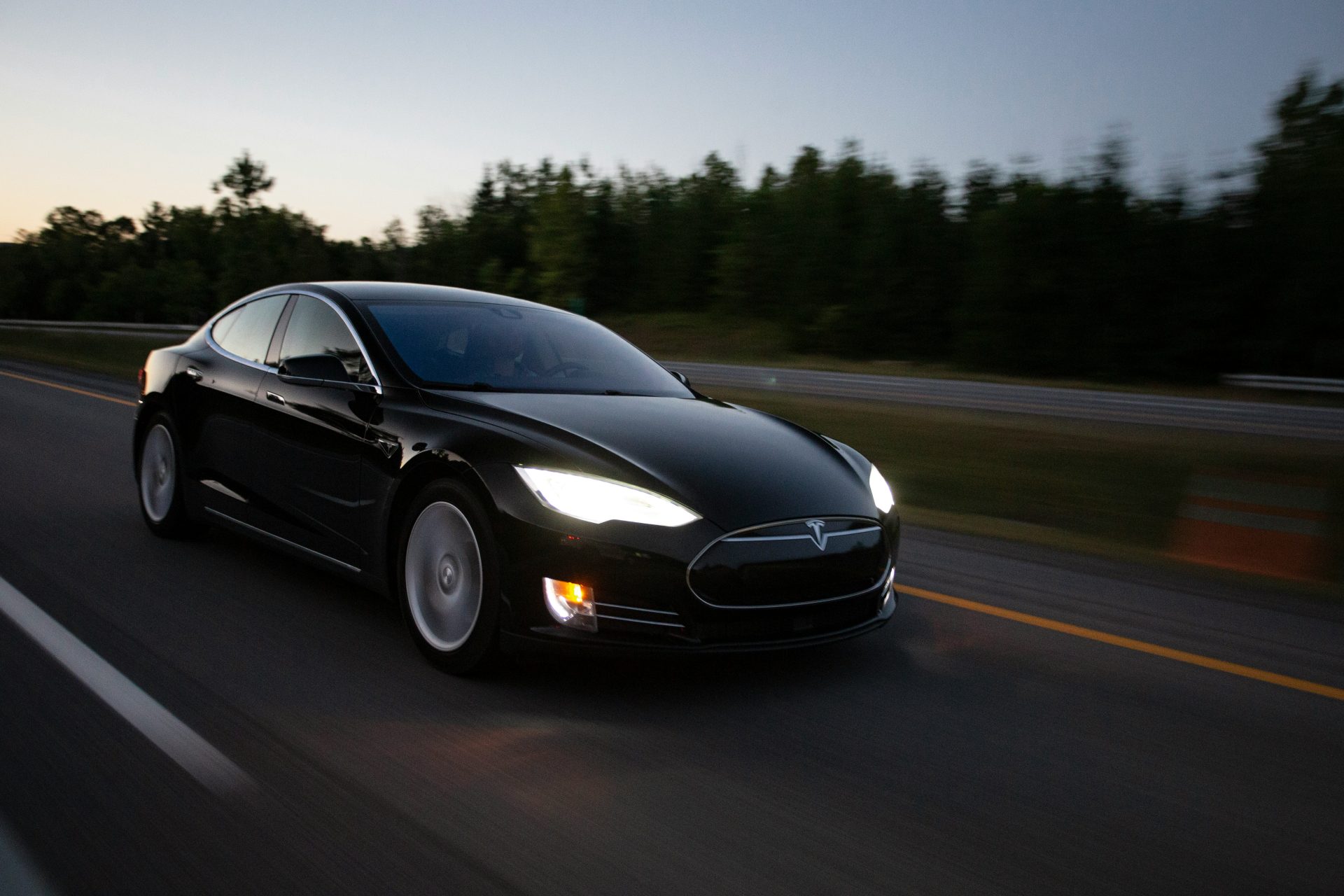
When most people think about Teslas, their minds jump straight to the sleek design or self-driving features. The software gets plenty of attention. But what about the hardware? Beyond the futuristic screens and quiet rides, there’s a whole world of car parts that quietly make or break the driving experience.
The truth is, not all car parts carry equal weight. Some have a big impact on safety. Others influence performance or long-term reliability. With Tesla, this balance between software and physical engineering is key. Yes, the tech is impressive. But it’s the mix of software and mechanical components that defines how well these cars work in the real world.
The Brains Behind the Drive
Before we get into physical components, it’s worth touching on Tesla’s software. While this blog is about parts, it’s impossible to ignore how the two are connected.
Tesla vehicles rely heavily on over-the-air updates. These can tweak everything from battery management to acceleration responsiveness. But for that software to have any effect, it depends on well-built hardware underneath. A beautifully designed system is useless if the parts it controls aren’t up to standard.
This is why it’s not enough to focus on software alone. You have to make sure the components it manages are equally reliable. That starts with the most important area of all: safety.
Safety-Critical Components You Should Never Ignore
No matter how advanced a car is, the basics of driving don’t change. You still need to stop, steer, and stay upright. That means the parts involved in those actions need to be in top condition.
Here are five Tesla parts that play a major role in keeping you safe:
- Brakes – Tesla’s regenerative braking gets a lot of attention, but it’s the traditional hydraulic brakes that come through in emergencies. Pads, rotors, and calipers still need regular checks and replacements.
- Tyres – Tesla’s instant torque puts more strain on tyres than most other vehicles. Worn tyres can lead to poor traction and longer stopping distances.
- Suspension – The suspension isn’t just about comfort. It controls how your car handles, especially around corners or on rough roads.
- Steering components – Ball joints, tie rods, and control arms don’t often get talked about, but if any of them wear out, it compromises your control of the car.
- Windshield wipers – Sounds minor, but vision is everything. When rain hits, you’ll appreciate wipers that actually clear the screen without leaving streaks.
If you’re a Tesla owner looking for reliable servicing or need to source Tesla car parts in Perth, it’s these components that deserve the most attention. Whether you’re replacing brake pads or sorting out steering alignment, choosing the right parts can directly impact how your safety systems perform on the road. Compatibility, build quality, and correct installation all matter more than most people realise.
Performance Isn’t Just About Speed
Plenty of Tesla drivers care about acceleration times and smooth handling. But what actually influences those factors?
Let’s break down the performance-related parts that are often overlooked but crucial:
- Battery management system (BMS) – While the battery itself is massive, the BMS is what allows it to operate safely and efficiently. It monitors voltage, temperature, and power flow to ensure the battery performs at its best.
- Cooling system – Electric motors and batteries generate heat. The thermal management system keeps temperatures stable, especially during rapid charging or high-speed driving.
- Drive unit – This is the electric version of a traditional engine. It contains the motor, gearbox, and inverter in one sealed unit. Any issues here can result in rough acceleration or strange noises.
- Wheel alignment – Proper alignment isn’t just for tyre wear. It also affects how the car feels at high speeds and during turns.
All of these parts combine to create the smooth, quiet, and confident feel that Tesla drivers expect. When one area is out of balance, it becomes noticeable quickly, whether it’s a lag in acceleration, uneven tyre wear, or a strange vibration.
Interior and Cabin Parts That Make a Difference
Tesla interiors are known for their minimalism. But that doesn’t mean every part is simple or cheap to replace.
Take the touchscreen, for example. It controls nearly every function in the car. If it goes down, so does your access to climate control, music, and even driving modes in some cases. The screen relies on both software and physical components, like the GPU and data connections.
Seats are another one to consider. Tesla uses a lot of electric motors for adjustment, heating, and ventilation. If one of those motors fails, replacing it can be more involved than it looks.
There are also smaller components that affect the overall driving experience. Air filters help keep outside pollution out of the cabin. Door handles need to work smoothly in all weather, especially since they’re flush-mounted and electronically controlled. And seals and trim around the doors and windows help reduce wind noise and keep moisture out, which contributes to the car’s quiet, clean feel inside.
What About Repairs and Maintenance?
One of the selling points of EVs is that they have fewer moving parts. No oil changes, fewer fluid flushes, and a simpler drivetrain overall. That doesn’t mean there’s nothing to maintain, though.
In fact, regular checks are even more important in some ways. For example, because electric cars use regenerative braking, brake pads can last longer, but that means they might also rust more between uses. You still need to inspect and clean them regularly.
Suspension and steering components tend to wear similarly to those in combustion vehicles. Tyres often wear faster due to the car’s weight and acceleration torque. And cabin air filters should be replaced as often as any regular car.
If you’re sourcing parts yourself or working with a technician, always make sure parts are compatible with your specific model and year. Tesla vehicles can have small differences even between similar models.
The Quiet Essentials That Keep Teslas Running
Not every important part is flashy. Some of the most critical components are the ones you don’t see or think about much.
- Wiring harnesses – These connect sensors and components, allowing the car’s systems to talk to each other and function properly.
- Fuses and relays – They protect electrical circuits from overload and help manage power flow throughout the vehicle.
- Control modules – These little units handle specific functions, from lighting to window operation to door locks. When they fail, systems start behaving erratically or stop working entirely.
- Sensors – Everything from autopilot to parking assist depends on a network of sensors that must stay clean, aligned, and connected.
- Actuators and motors – Whether it’s adjusting mirrors or opening charge ports, these small parts keep modern conveniences functioning without hassle.
When any of these stop working, it’s rarely a simple fix. Diagnosing electrical problems can take longer than mechanical ones, especially with a system as interconnected as Tesla’s.
Under the Surface: Why It All Matters
It’s easy to get distracted by the tech. Tesla’s updates, apps, and autopilot features are impressive. But they all depend on solid, well-designed parts that you can’t control with a tap on the screen.
Understanding which Tesla parts matter most isn’t about doing all the work yourself. It’s about being an informed owner, knowing what to ask about during a service, knowing which parts to take seriously, and knowing when a little issue might point to something more.
Whether it’s the suspension keeping you stable at high speeds or the braking system kicking in when it really counts, these parts matter far more than most people realise.


Post Comment