What to Look for When Buying a Used Hybrid Car
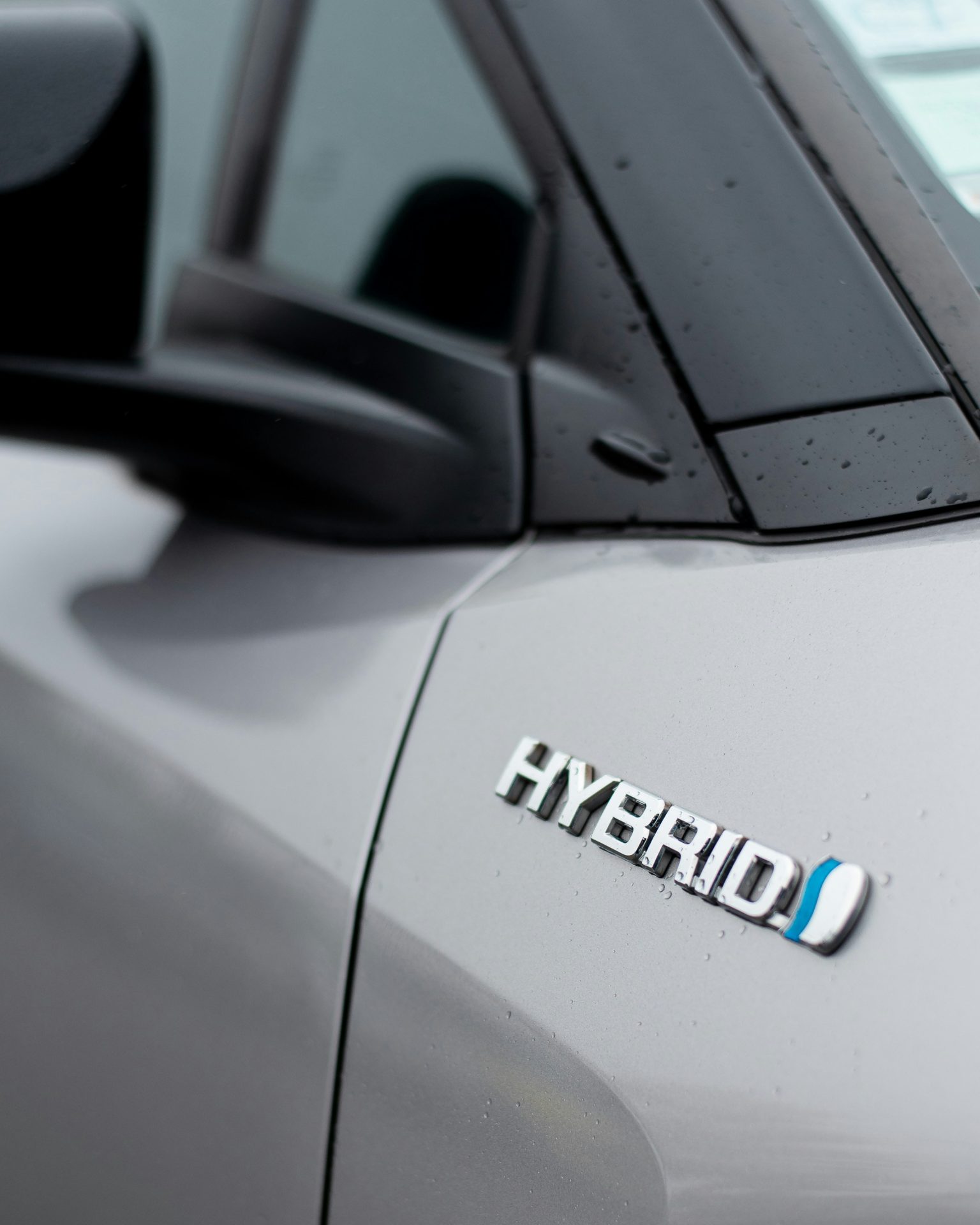
So you’re thinking about buying a used hybrid? Smart move. They can save you money on fuel, are better for the environment, and tend to hold their value fairly well. But while a hybrid can be a great investment, buying second-hand isn’t quite the same as going for a regular petrol or diesel vehicle.
There are extra parts to think about, different maintenance needs, and a few warning signs that aren’t always obvious unless you know what to check. Whether you’re eyeing your first hybrid or you’ve driven one before and want a change, here’s what you need to pay attention to before handing over any money.
The Battery is Everything
Let’s start with the heart of the hybrid: the battery. A hybrid car has a high-voltage battery that works alongside the petrol engine. Over time, like all batteries, it degrades. Most are designed to last a long time – often over 100,000 miles – but the older the car, the more important it is to check.
Ask about the battery’s history. Has it ever been replaced? If so, when? If not, how many miles has the car done on the original one? In some cases, the battery can be tested during a pre-purchase inspection, giving you some insight into its health.
Also, find out if there’s any remaining warranty on the battery. Some manufacturers offer long warranties for hybrid batteries, which could still be valid even if the car is a few years old. That alone can give you some peace of mind.
Pay Attention to the Regenerative Braking System
Hybrid cars use something called regenerative braking to recharge the battery when you slow down. It’s clever, but like any system, it can wear out over time. Brakes in used hybrid cars often last longer than those in standard vehicles because the regenerative system does a lot of the slowing down. But that also means if the system starts acting up, you’ll want to know about it early.
Take the car for a proper test drive and pay attention to how it slows down. Is the transition between braking and coasting smooth? Any strange noises or jerky stops? That could point to issues with the regen system or even the brake pads and rotors themselves.
Check the Service History Fully
This is always important, but it matters more with a hybrid. You want to see that the car has been serviced regularly and ideally by a mechanic who knows hybrid systems. There’s no shortage of general garages out there, but not all are confident working with high-voltage components.
Look through the service records. Are there any gaps? Has the hybrid system ever needed repairs? Was the cooling system flushed? Were the software updates applied? These are all small signs that the previous owner kept the car in good shape.
Don’t Ignore the Cooling System
Here’s something many buyers miss: hybrid cars often have more complex cooling systems than regular petrol cars. Some even have a separate one just for the battery.
If the cooling system fails or clogs, the battery can overheat. That’s when problems start getting expensive.
Ask the seller when the coolant was last changed. Look for signs of leaks or strange smells when the engine’s hot. If you’re getting a mechanic to inspect the car before buying (which you should), make sure they check both the engine and battery cooling systems.
MPG Claims? Take Them With a Pinch of Salt
Hybrid cars are known for great fuel economy, but real-world performance varies a lot depending on how the car’s been driven and maintained.
If someone tells you the car gets 65 MPG, but it’s been driven mostly on motorways or had a heavy foot behind the wheel, it might not be anywhere near that now.
Instead of obsessing over claimed figures, look at how the car drives now. A properly maintained hybrid should still offer solid economy, even if it’s not exactly matching its showroom numbers.
Listen to the Engine – And the Silence
This one’s simple but effective. Start the car and listen. At first, most hybrids will be completely silent, especially when running on battery power. Then, the engine kicks in. When it does, you want it to be smooth, quiet, and stable. No knocking, no rattling, no loud whirring.
Weird noises when switching between electric and petrol mode? That could suggest wear in the hybrid drive components. Don’t ignore it. Hybrids are designed to transition smoothly – if it doesn’t feel right, it probably isn’t.
Mileage Isn’t the Whole Story
With used petrol or diesel cars, higher mileage usually means more wear. With hybrids, it’s a little more complex. Because the electric motor does some of the heavy lifting, hybrid engines often wear less than a typical engine would over the same distance. That said, don’t assume a high-mileage hybrid is automatically a good deal.
Instead of just looking at mileage, balance it with age, maintenance, and battery health. A five-year-old hybrid with 80,000 miles and full service history can be a better buy than a ten-year-old model with just 50,000 miles and patchy records.
Interior Tech and Display Warnings
Hybrid cars rely heavily on electronics, and their digital dashboards do more than show your speed. They often include energy flow diagrams, battery status, and fuel efficiency trackers.
Make sure everything on the display is working properly. No odd warning lights. No messages about battery faults. No glitches in the touchscreen (if it has one). Replacing digital components can be pricey, and those screens often tie into the car’s hybrid system.
It’s also worth cycling through the hybrid-specific settings, if the car has them. Watch how the battery charges and discharges during driving. That can tell you a lot about whether things are working as they should.
Final Word of Advice
Buying a used hybrid can be a brilliant move – lower fuel costs, cleaner emissions, and often a smoother drive. But don’t assume every hybrid is a good hybrid. Treat the process like a detective. Ask the awkward questions. Double-check the history. Listen carefully to how it sounds and feels.
And above all, don’t rush. The right car will tick all the boxes. You just need to know what those boxes are. Now you do.


Post Comment