From Bumpy Roads to Smooth Rides: The Power of Suspension Seats
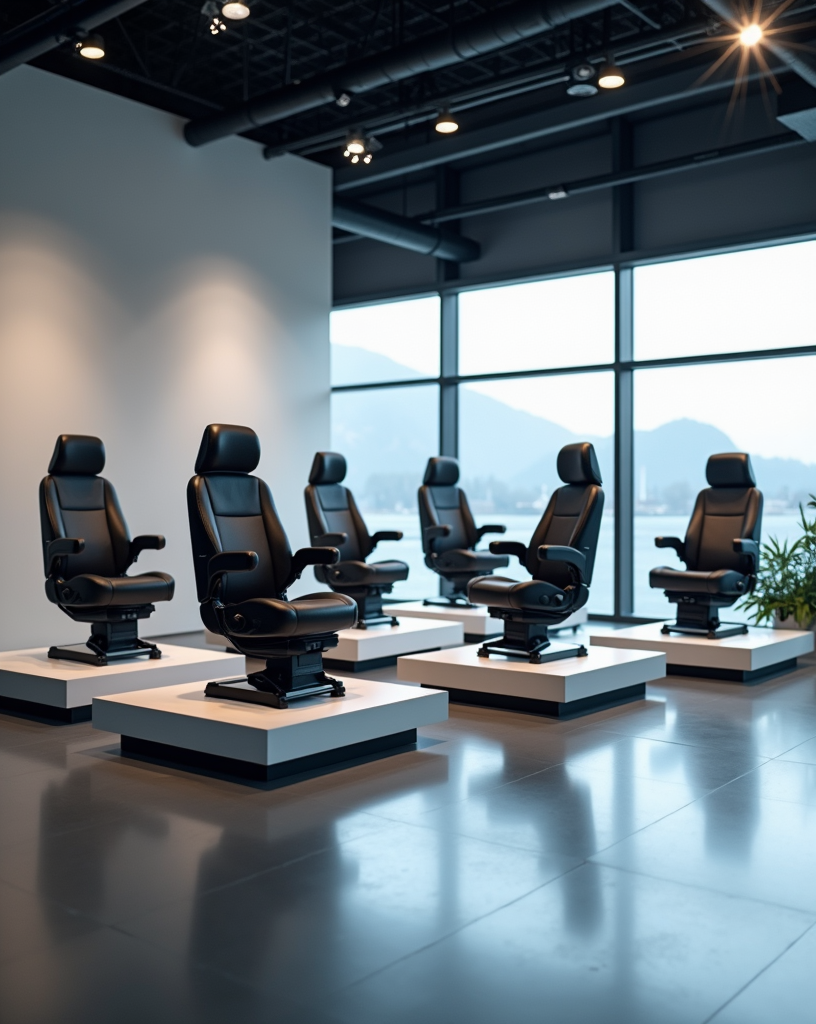
Ever wondered why some truckies and tractor operators seem less worn out than others after a full day on the job? It’s not just about a strong back or good posture. A big part of the answer sits right beneath them—literally. Suspension seats aren’t just a luxury; they’re an essential upgrade for anyone spending long hours behind the wheel on rough ground.
Why Suspension Seats Matter More Than You Think
When you’re bouncing around in a cab, every jolt gets transferred through your spine. Over time, that can lead to chronic pain, fatigue, and even long-term injury. Suspension seats Brisbane are built to absorb those shocks before they reach your body. And if you’re doing this kind of work every day, that makes a huge difference.
Think of a regular seat like a plank of wood with some padding. It might look comfortable, but the moment you hit a pothole, all that force hits you straight in the lower back. A suspension seat, on the other hand, uses either mechanical or air-based systems to absorb that impact. It’s like swapping a wooden bench for a quality mattress.
The Day-to-Day Impact of a Better Seat
Let’s be clear: this isn’t about comfort for comfort’s sake. It’s about performance, safety, and health. When you’re not constantly bracing for the next bump or jolt, you stay sharper and more focused. Less fatigue means fewer mistakes. You can respond quicker, judge terrain better, and get more done without burning out.
More importantly, the long-term benefits stack up. We’re talking reduced risk of lower back disorders, less muscle fatigue, and fewer complaints about stiff joints. For people who are on machinery every day of the week, these aren’t just minor improvements—they’re career-saving.
Common Signs You Need a Suspension Upgrade
If you’re not sure whether your current seat is doing the job, look for these signs:
- Chronic lower back pain – A constant ache that builds up during the day is often a sign your body’s absorbing too much impact.
- Fatigue after short stints – If you’re exhausted after a couple of hours, your seat could be to blame.
- Excessive bouncing – Feeling like you’re riding a trampoline on uneven ground? Your seat might be too rigid or worn out.
- Poor posture – Slumping or leaning to one side is often caused by a seat that doesn’t support you properly.
These issues don’t just affect comfort. They eat into productivity and, worse, they increase the risk of injury.
Mechanical vs. Air Suspension Seats
Not all suspension seats are built the same, and what works for one setup might not suit another. Generally, there are two main types:
Mechanical suspension seats use springs, dampers, and levers to reduce vibration. They’re durable, reliable, and often more affordable. For many operators, especially in older or less advanced machinery, mechanical suspension does the job well.
Air suspension seats take things further. They use an airbag system that automatically adjusts to your weight and position. This allows for a smoother, more personalised ride. They’re especially useful for people who operate machines over varying terrain or work long shifts.
How the Right Seat Can Improve Efficiency
Operators don’t always realise how much energy they spend just trying to stay comfortable. When your seat isn’t right, your body is constantly adjusting—tense muscles, shifting posture, bracing for impact. That drains your energy before you’ve even hit lunch.
Once you switch to a well-fitted suspension seat, there’s an immediate shift. You can focus fully on the job, rather than your discomfort. That leads to:
- Longer operating periods without fatigue
- Better concentration and reaction times
- Fewer breaks due to discomfort or pain
- Reduced downtime from injury or strain
In short, you’re not only working better, but you’re also reducing the risk of having to take time off due to pain or overuse.
What to Look for When Upgrading Your Seat
If you’re considering a seat upgrade, it pays to know what features matter. Here’s what to look for:
- Height and weight adjustability – Everyone’s body is different. A seat should match your size and shape.
- Shock absorption – Whether air or mechanical, check how well it absorbs impact on rough ground.
- Lumbar support – Crucial for long days. Good lumbar support keeps your spine aligned and prevents slouching.
- Seat material and cushioning – Breathable, durable fabric with enough padding to support without being too soft.
- Ease of installation – Make sure it’s compatible with your machine and doesn’t need a complete overhaul.
Don’t just go for the most expensive option. Focus on what fits your work environment and your body. Talk to professionals if needed, but steer clear of one-size-fits-all models.
Real Benefits, Long Term
It’s easy to overlook the seat when you’re thinking about machine upgrades. Most people focus on horsepower, hydraulics, and attachments. But think about this—your seat is where you spend 8, 10, sometimes 12 hours a day. It directly affects your body, your health, your efficiency, and your job satisfaction.
A good seat doesn’t just feel better. It helps protect your spine, reduce recovery time, and keep you in the field longer, with fewer issues down the line. For operators who rely on their bodies day in and day out, that’s essential.
Take the Strain Off Your Workday
No one should have to grit their teeth through every shift. If your current seat isn’t cutting it, it’s not something to ignore or push through. Your machine might be doing the work, but your body is taking the hits.
Upgrading to a proper suspension seat is one of the smartest changes you can make—less pain, more control, and a smoother, safer ride every single day.


Post Comment