Tips for Getting Out of Debt Fast: Strategies for Financial Freedom
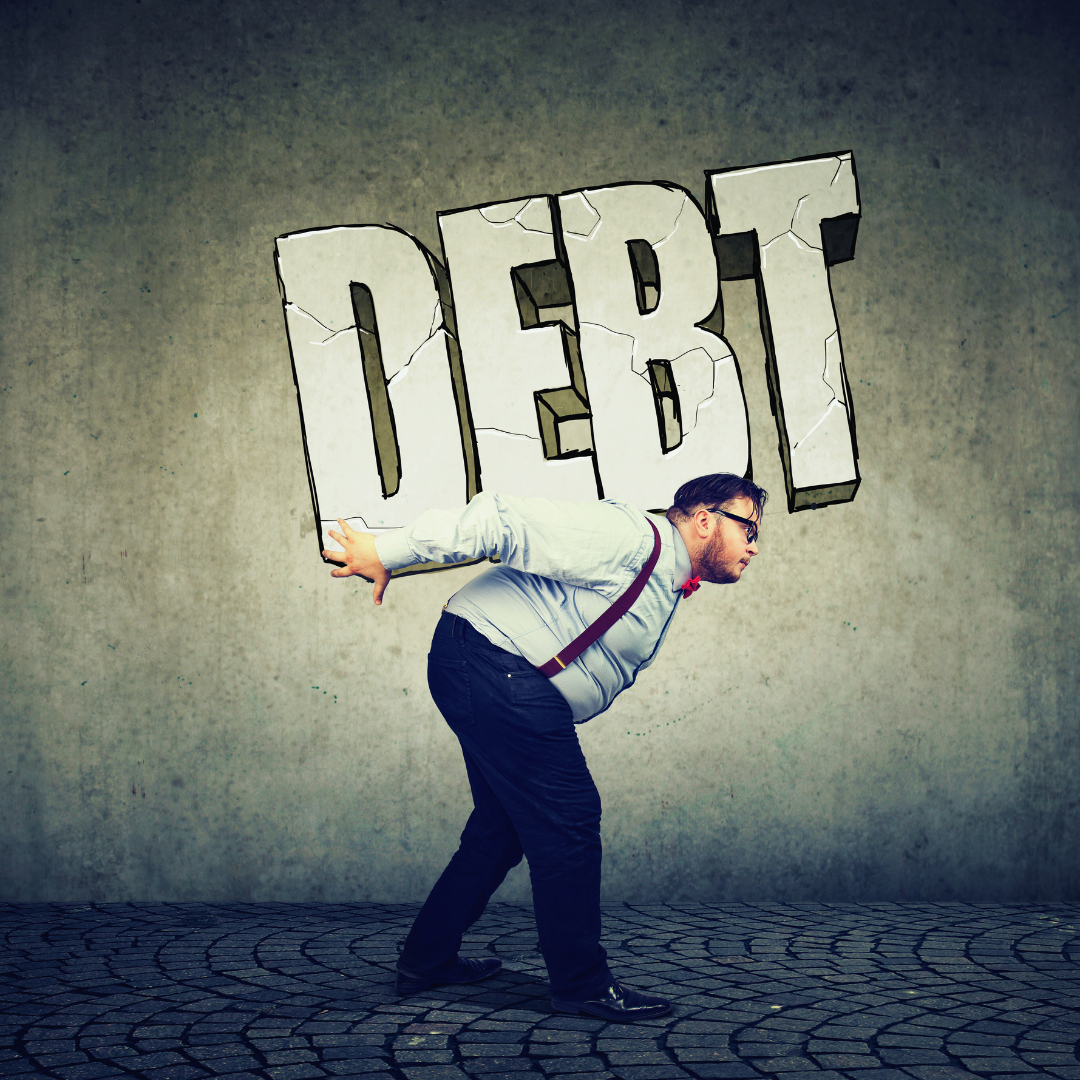
Managing debt can feel overwhelming, but with the right strategies, it is possible to regain control and pay it off more quickly. Focusing on budgeting, prioritizing high-interest debts, and exploring additional income sources can significantly accelerate the debt repayment process. Many individuals find success by implementing structured plans that keep them motivated and accountable throughout their journey.
Establishing a realistic budget is crucial. It allows individuals to identify spending patterns and allocate more funds toward debt repayment. Prioritizing debts by interest rates helps maximize savings, ensuring that the most costly debts are tackled first. Additionally, looking for opportunities to increase income, whether through side jobs or selling unused items, can provide the extra cash needed to pay down debt faster.
The road to financial freedom is achievable for anyone willing to commit to effective strategies. By utilizing practical tips and staying disciplined, it becomes possible to eliminate debt and move toward a more stable financial future.
Assessing Your Debt Situation
Assessing the current debt situation is crucial for creating a targeted debt repayment strategy. This involves listing all debts clearly and understanding their terms, especially interest rates.
Creating a Comprehensive Debt Inventory
To begin, the individual should compile all debts into a comprehensive inventory. This list should include:
- Creditor Name
- Total Amount Owed
- Monthly Payment
- Due Dates
- Account Status (e.g., current, overdue)
Using a spreadsheet or mobile app can simplify this task. The next step involves categorizing debts into secured (like mortgages and car loans) and unsecured (such as credit card debt). This categorization helps prioritize repayments and identify which debts have the highest stakes or penalties.
Understanding Debt Interest Rates
Interest rates significantly impact the total amount paid over time. It is essential to note the interest rate on each debt, as this information influences repayment strategy.
Debt can be classified into:
- Fixed Interest: This remains constant throughout the loan term.
- Variable Interest: This can change over time, making it unpredictable.
By focusing on high-interest debts first, the individual can save money in the long run. Creating a chart that outlines both the interest rates and total owing for each debt will enable better decision-making regarding payment prioritization.
Strategic Debt Repayment
Effective debt repayment strategies can significantly accelerate the process of becoming debt-free. Two popular methods include the Debt Avalanche Method and the Debt Snowball Method, each with distinct approaches to tackling debt.
Debt Avalanche Method
The Debt Avalanche Method prioritizes debts based on interest rates. This method focuses on paying off high-interest debts first, which reduces the overall interest paid.
- List Debts by Interest Rate: Organize all debts in descending order of their interest rates.
- Make Minimum Payments: Continue to pay the minimum on all other debts to avoid penalties.
- Allocate Extra Funds: Direct any extra money towards the debt with the highest interest rate. This strategy saves money in the long run.
This method is particularly effective for those who want to reduce total interest payments and are motivated by long-term savings.
Debt Snowball Method
The Debt Snowball Method emphasizes paying off the smallest debts first. This approach can provide psychological benefits, as individuals see their debts disappear more quickly.
- List Debts by Amount: Organize debts from smallest to largest.
- Make Minimum Payments: Ensure all other debts are paid at least the minimum amount.
- Focus on Smallest Debt: Put any extra money towards the smallest debt until it is paid off.
Once a debt is eliminated, the freed-up payment can be applied to the next smallest debt. This method builds momentum and can enhance motivation, encouraging individuals to stay on track.
Budgeting and Expense Management
Effective budgeting and managing expenses are essential steps in promoting financial stability. Implementing a realistic budget can provide clarity on income and expenses, while cutting unnecessary expenditures frees up funds to tackle debt.
Setting a Realistic Budget
Creating a budget starts with a clear understanding of monthly income and all expenses. Individuals should list fixed expenses such as rent, utilities, and loan payments, alongside variable expenses like groceries and entertainment. This helps to visualize where money goes each month.
A practical approach is the 50/30/20 rule: allocate 50% of income for needs, 30% for wants, and 20% for savings or debt repayment. Tracking spending with tools like budgeting apps or spreadsheets can aid in adherence to the budget. Regularly reviewing and adjusting the budget ensures it stays relevant.
Cutting Unnecessary Expenses
Identifying and cutting unnecessary expenses can significantly impact debt repayment efforts. Begin by reviewing subscriptions and memberships; cancel those that are not frequently used.
Consider practical strategies such as meal planning to reduce food costs, opting for public transportation instead of driving, and limiting impulse purchases by creating a spending delay.
Utilizing cash for discretionary spending can also restrain overspending. Small changes can lead to substantial savings, providing more resources to direct towards reducing debt.
Generating Additional Income
Creating extra revenue streams can significantly expedite debt repayment. Two effective methods include pursuing side hustles and selling unused items, both of which require minimal investment but can yield substantial returns.
Pursuing Side Hustles
Engaging in side hustles can provide a considerable boost to income. Options include freelance work in areas like writing, graphic design, or programming. Websites like Upwork and Fiverr connect freelancers with clients seeking their skills.
Additionally, gig economy jobs such as driving for rideshare services or delivering food can offer flexible hours and immediate payment. Setting up an online store on platforms like Etsy or eBay is another avenue, allowing individuals to sell handmade goods or vintage items.
Selling Unused Items
Another practical way to generate cash is by decluttering and selling unused items. Many people have items around their homes—clothes, electronics, furniture—that they no longer use. Listing items on websites like Craigslist or Facebook Marketplace can attract local buyers.
Organizing a garage sale can also be effective, bringing immediate cash while clearing out space. Collecting unwanted items and donating them can be an option too, although selling them provides instant income.


Post Comment