How to Save Money on Car Maintenance: Essential Tips for Vehicle Owners
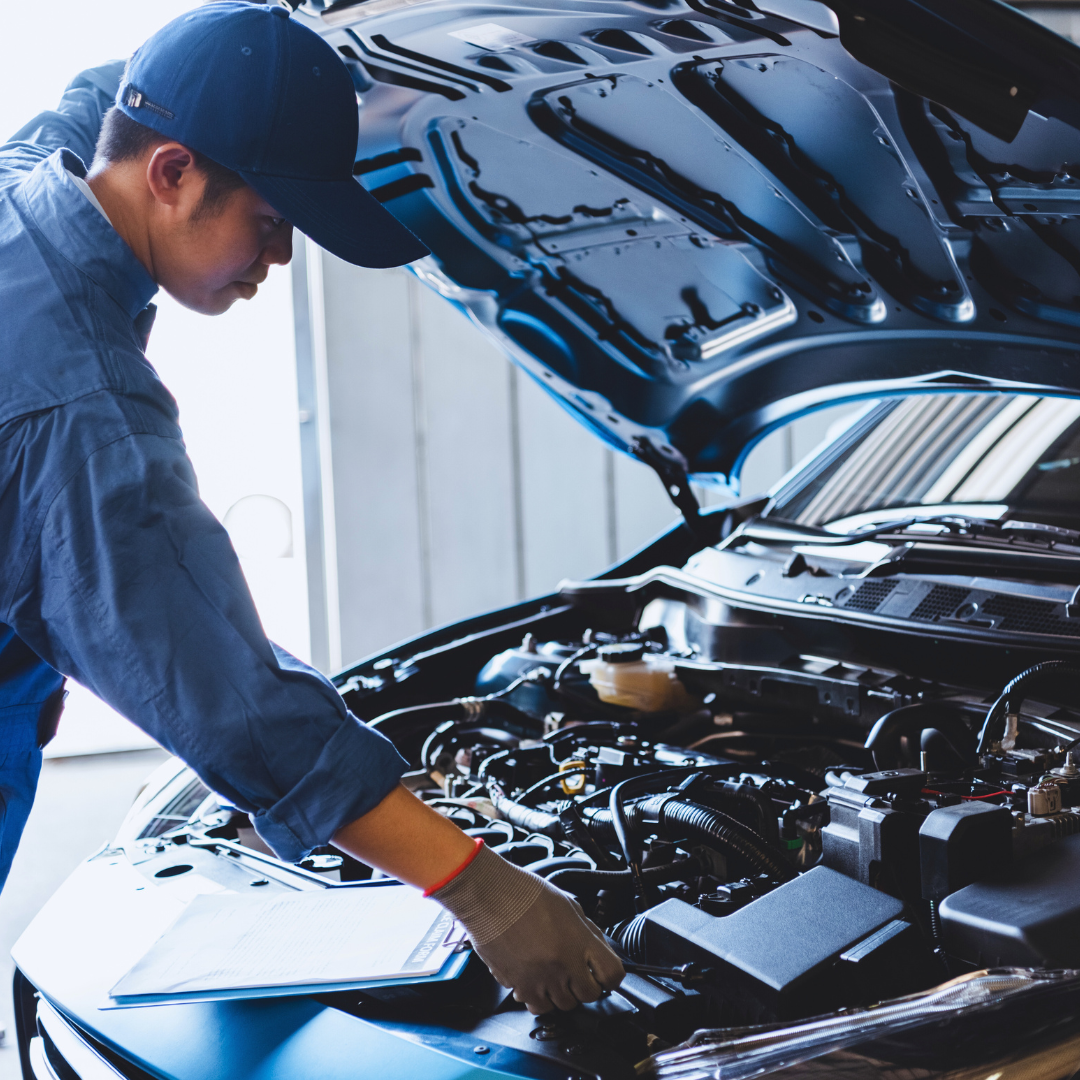
Car maintenance costs can quickly add up, putting pressure on anyone’s budget. By implementing a few simple strategies, individuals can effectively save money on car maintenance without compromising vehicle safety or performance. Prioritizing routine maintenance, shopping around for service providers, and staying informed about common repairs can significantly impact overall expenses.
Regular maintenance checks can prevent costly repairs down the line. Keeping up with oil changes, tire rotations, and brake inspections is essential. Additionally, individuals should not hesitate to seek competitive quotes from more than one local mechanic shop to ensure that they are getting the best deal possible.
Educating oneself about the specific needs of their vehicle can also lead to savings. Understanding manufacturer recommendations and being aware of common issues can help individuals make informed decisions, reducing unnecessary spending. Ultimately, smart planning and awareness are key components in managing car maintenance costs effectively.
Understanding Car Maintenance Basics
Knowledge of car maintenance basics is essential for keeping a vehicle running efficiently. Familiarity with the owner’s manual, awareness of common maintenance tasks, and adherence to a routine maintenance schedule are vital components to effective car care.
Familiarizing With Your Owner’s Manual
The owner’s manual is a critical resource for vehicle maintenance. It contains specific guidelines for your car, including recommended fluid types, tire pressure, and service intervals. Understanding these details helps in addressing common issues and knowing what to monitor.
An owner’s manual typically includes:
- Maintenance schedule: Indicates when to perform specific tasks, such as oil changes or filter replacements.
- Fluid specifications: Lists the correct types of oil, coolant, and other fluids needed for optimal performance.
- Warnings and alerts: Provides information on potential issues that may arise if maintenance is neglected.
Taking time to read the owner’s manual empowers vehicle owners to make informed decisions.
Identifying Common Maintenance Tasks
Regular car maintenance involves several common tasks. These tasks help in prolonging vehicle life and optimizing performance.
Key maintenance tasks include:
- Oil changes: Essential for engine health, usually every 5,000 to 7,500 miles.
- Tire rotations: Promotes even tire wear, typically recommended every 6,000 to 8,000 miles.
- Brake inspections: Critical for safety; should occur at regular intervals or when unusual noises are detected.
- Fluid checks: Regularly inspect coolant, brake, and transmission fluids to prevent overheating or transmission issues.
Understanding these tasks can lead to timely interventions, reducing the risk of costly repairs.
Establishing a Routine Maintenance Schedule
Creating a routine maintenance schedule is crucial for a vehicle’s longevity. It helps drivers stay proactive about maintenance rather than reactive to problems.
A simple approach might involve:
- Setting reminders: Utilize calendar apps or physical calendars to track due dates for tasks.
- Monthly checks: Perform basic checks like tire pressure, fluid levels, and lights once a month.
- Professional inspections: Schedule annual check-ups with a certified mechanic to evaluate overall vehicle health.
Adhering to this schedule can significantly reduce the likelihood of unforeseen breakdowns and help manage expenses.
Effective Maintenance to Prevent Costly Repairs
Proper maintenance is crucial for avoiding expensive repairs. Routine practices can extend the life of a vehicle and enhance safety, making the car more reliable and efficient.
Conducting Regular Oil Changes
Regular oil changes are essential for maintaining engine health. The oil lubricates engine components, reducing friction and preventing damage. Most manufacturers recommend an oil change every 5,000 to 7,500 miles, but this can vary based on oil type and driving conditions.
Using the right oil is also vital. Synthetic oils generally offer better performance and longer change intervals. Neglecting oil changes can lead to sludge buildup and severe engine damage. Keeping track of mileage and using reminders can help maintain this schedule.
Choosing a professional auto service for oil changes can significantly improve the reliability and efficiency of the process. These services often include comprehensive checks that identify other potential issues before they escalate, ensuring your vehicle remains in top condition. Local centres provide convenient options with flexible scheduling to fit busy lifestyles. Scheduling an oil change at a reputable facility can offer quick, friendly service for all vehicle types. This approach not only enhances engine performance but also promotes safer driving through regular maintenance routines. Ultimately, relying on experienced professionals helps extend your car’s lifespan and reduces the risk of costly breakdowns.
Checking Tire Pressure and Performing Tire Rotations
Maintaining correct tire pressure is important for safety and fuel efficiency. Under-inflated tires can lead to uneven wear, reduced traction, and increased risk of a blowout. She recommends checking tire pressure monthly, especially before long trips.
Tire rotations should occur approximately every 5,000 to 7,500 miles. This practice helps distribute tire wear evenly across all tires. Proper alignment and balance also contribute to tire longevity. Keeping tires well-maintained not only enhances performance but also saves money on replacement costs.
Replacing Air Filters and Cleaning the Battery
Air filters play a significant role in engine efficiency. Clogged air filters restrict airflow, making the engine work harder. This can lead to decreased fuel economy and engine strain. Replacing the air filter every 15,000 to 30,000 miles is a common recommendation.
Cleaning the battery terminals prevents corrosion and improves electrical performance. Corroded terminals can lead to starting issues and reduced battery life. Regularly checking and cleaning these components can save on replacement costs and enhance reliability. Owners can reach out to professionals who provide car repair Red Deer (or elsewhere) to get expert assistance with routine maintenance, ensuring that minor issues are addressed early before they escalate into costly repairs.
Monitoring Fluid Levels and Brake Inspections
Regularly checking fluid levels is crucial for overall vehicle health. Key fluids include engine oil, transmission fluid, brake fluid, and coolant. Low levels can cause significant issues; for example, low brake fluid can lead to brake failure.
Brake inspections should happen at least once a year or sooner if any issues arise. Worn brake pads can lead to further damage to the rotors and increased repair costs. Keeping an eye on brake performance and fluid levels can provide early warnings of potential problems.
Strategies for Reducing Maintenance and Repair Costs
Reducing car maintenance costs can be achieved through smart shopping, DIY repairs, and improved driving habits. These strategies empower vehicle owners to save money while maintaining their vehicles effectively.
Shopping Around for Services and Parts
When seeking car services, it’s crucial to shop around. Many local shops may offer competitive prices compared to dealership service centers.
- Get multiple quotes: Contact several garages for estimates on repairs. This can help identify the most cost-effective options.
- Research reviews: Look for customer feedback on service quality to ensure reliability.
- Consider used parts: For certain repairs, using reused parts can significantly lower costs. Check with reputable salvage yards or online marketplaces for availability.
By comparing prices and services, individuals can make informed choices that align with their budget.
Considering DIY Car Repair With Online Resources
Performing DIY repairs can yield substantial savings. Many basic car maintenance tasks can be tackled at home with the right guidance.
- YouTube tutorials: These videos provide step-by-step instructions for various repairs, ranging from oil changes to brake replacements.
- Online forums: Websites and community forums can offer advice and tips from experienced DIYers. Engaging with others can help troubleshoot problems effectively.
Equipping oneself with knowledge from these resources reduces reliance on professional services and fosters confidence in managing car issues.
Optimizing Your Driving Habits
Driving habits directly impact vehicle maintenance costs. Simple adjustments can lead to less wear and tear.
- Avoid aggressive driving: Fast acceleration and hard braking increase stress on the engine and brakes, leading to more frequent repairs.
- Maintain steady speeds: Using cruise control on highways helps improve fuel efficiency and reduces strain on components.
- Keep tires properly inflated: Under-inflated tires can lead to increased fuel consumption and accelerate tire wear.
Adopting these practices promotes longevity for vehicles while minimizing repair frequency and costs.
Additional Tips for Keeping Your Car in Top Shape
Regular attention to details can significantly enhance a vehicle’s longevity and performance. Making informed choices about materials, adapting to environmental changes, and maintaining thorough documentation will ensure a car remains reliable and efficient.
Using Quality Materials and Parts
Investing in high-quality engine oil, such as synthetic motor oil, can greatly benefit engine performance. These oils provide better lubrication and protection under extreme temperatures, which can improve fuel efficiency.
Additionally, choosing original manufacturer parts or reputable aftermarket options for replacements ensures better compatibility and longevity. Using inferior parts can lead to more frequent repairs and ultimately higher costs. Regularly check important components, including filters and belts, to avoid unexpected failures.
Adapting for Seasonal Changes
Each season presents unique challenges for vehicle maintenance. In winter, switching to winter tires can improve safety and handling on icy roads. They offer better traction than all-season tires, significantly reducing the risk of accidents.
During hot summer months, it’s essential to monitor coolant levels and ensure the air conditioning system is functioning correctly. Fluctuating temperatures can put additional stress on various engine components. Regular inspections during seasonal transitions help prepare the vehicle for upcoming weather challenges.
Beyond mechanical upkeep, maintaining cleanliness is equally important. Dirt, dust, and grime can damage exterior paint and interior surfaces over time, undermining the vehicle’s appearance and value. Therefore, regular professional cleaning is also recommended.
And for those unable to visit a mechanic or detailing shop regularly, a Edmonton mobile car detailing service (or similar services elsewhere) offers a convenient alternative. Experts come directly to the customer’s home or workplace, providing thorough cleaning, waxing, and protective treatments that help preserve the vehicle’s appearance and condition year-round.
Maintaining Proper Documentation and Records
Keeping organized records of all maintenance, repairs, and services performed on a vehicle provides crucial insights. This documentation helps identify patterns in performance and potential issues, making it easier to communicate with a trusted mechanic.
Additionally, tracking dates for regular maintenance services—such as oil changes and tire rotations—helps avoid missed deadlines. A well-maintained service log can also enhance resale value, as prospective buyers often seek evidence of good upkeep before making a purchase.


Post Comment