How to Keep Your Car Running Smoothly for Years
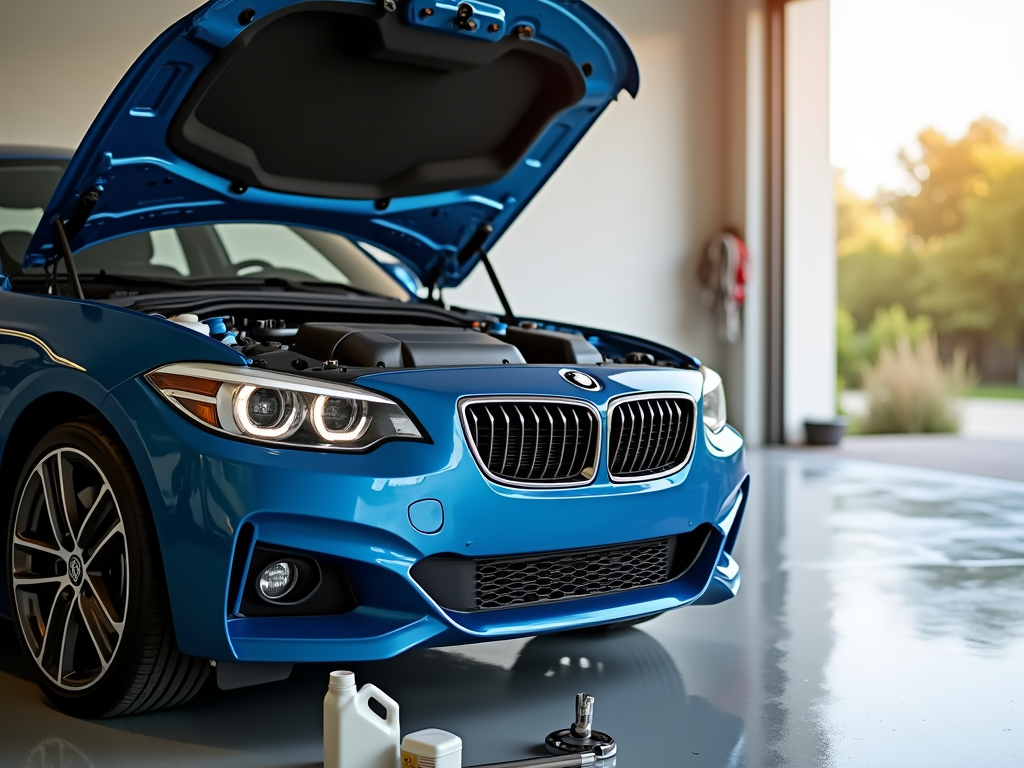
A car isn’t just something that gets you from point A to point B—it’s an investment. Whether you’ve got a brand-new ride or an older model, taking care of it properly can help it last longer, drive better, and save you from expensive repairs down the road.
A lot of people think car maintenance is complicated, but it doesn’t have to be. With a few simple habits, you can keep your car in great shape without constantly worrying about breakdowns or unexpected repair bills.
Stay on Top of Oil Changes
Oil is what keeps your engine running smoothly. It lubricates all the moving parts and prevents overheating. If you don’t change it regularly, it gets dirty and thick, which can cause serious damage to your engine.
Most cars need an oil change every 5,000 to 7,500 kilometers, but it depends on your car and the type of oil you use. Check your owner’s manual or your dashboard reminders to know when it’s time for a change. Ignoring oil changes might not seem like a big deal at first, but over time, it can lead to costly engine problems.
Check and Replace Fluids
Your car runs on more than just gas. It has several important fluids that keep everything working properly, like coolant, brake fluid, transmission fluid, and power steering fluid. If these run low or get old, your car won’t perform as well, and parts can wear out faster.
Every few months, pop the hood and check your fluid levels. If something looks low or dirty, it might be time for a refill or replacement. Keeping an eye on these fluids helps prevent overheating, braking issues, and transmission problems—all of which can be expensive to fix.
Pay Attention to Your Tires
Your tires affect everything from gas mileage to safety. If they’re not properly inflated, you’ll use more fuel and wear them out faster. If they’re too worn down, you’ll have less grip on the road, which can be dangerous, especially in bad weather.
Check your tire pressure at least once a month and before long trips. You’ll find the correct pressure in your owner’s manual or on a sticker inside the driver’s door. Also, make sure to rotate your tires every 8,000 to 10,000 kilometers to keep the wear even and extend their lifespan.
Don’t Ignore Warning Lights
Modern cars have dashboard warning lights for a reason—they tell you when something needs attention. If a light comes on, don’t ignore it. Some, like the check engine light, might not mean an immediate emergency, but they could signal a problem that will get worse if left unchecked.
If you’re unsure what a warning light means, check your owner’s manual or take your car to a mechanic. Catching small issues early can save you from major repairs later.
Keep the Battery in Good Condition
A dead battery can leave you stranded when you least expect it. Most car batteries last between three to five years, but extreme temperatures and frequent short trips can wear them out faster.
Check your battery terminals for corrosion and clean them if necessary. If your car is slow to start, or you’ve had your battery for a few years, consider having it tested to make sure it’s still holding a charge. Replacing it before it completely dies can save you the hassle of needing a jump-start in an inconvenient place.
Replace Worn-Out Brake Pads
Your brakes are one of the most important safety features on your car. If they start making a squealing or grinding noise, or if your car takes longer to stop, your brake pads might be worn out.
Most brake pads last between 40,000 to 80,000 kilometers, depending on how and where you drive. If you do a lot of city driving with frequent stops, they’ll wear out faster. Keeping your brakes in good shape ensures you can stop quickly when you need to, which can prevent accidents.
Drive Smoothly and Avoid Hard Stops
How you drive affects how long your car lasts. Hard acceleration, sudden braking, and aggressive driving wear out your engine, brakes, and transmission faster.
Try to drive smoothly, accelerate gradually, and avoid slamming on the brakes whenever possible. Not only does this help your car last longer, but it also improves fuel efficiency, saving you money on gas.
Take Care of the Interior and Exterior
Keeping your car in good shape isn’t just about the engine and tires. A clean interior and well-maintained exterior make a difference, too. Dirt, dust, and spills can wear down seats and dashboards over time, while road salt and grime can damage your paint.
Regular vacuuming and wiping down surfaces can keep your car’s interior looking fresh. For the outside, washing it every few weeks helps protect the paint from fading and rust. And when your car needs a deep clean, full service car detailing can restore both the inside and outside, making it feel like new again.
Don’t Skip Regular Maintenance Checks
Even if everything seems fine, it’s a good idea to take your car for a professional check-up once or twice a year. Mechanics can spot potential problems before they turn into expensive repairs.
Routine maintenance checks usually include oil changes, fluid top-ups, tire inspections, brake checks, and battery tests. Staying on top of these things keeps your car in top shape and helps you avoid surprises down the road.
Small Efforts Make a Big Difference
Keeping your car running smoothly isn’t about spending a ton of money—it’s about being consistent with maintenance. Regular oil changes, checking your tires, and paying attention to warning lights can prevent major problems before they start.


Post Comment