Top Safety Checks Before Every Adrenaline Ride for Ensuring Maximum Protection
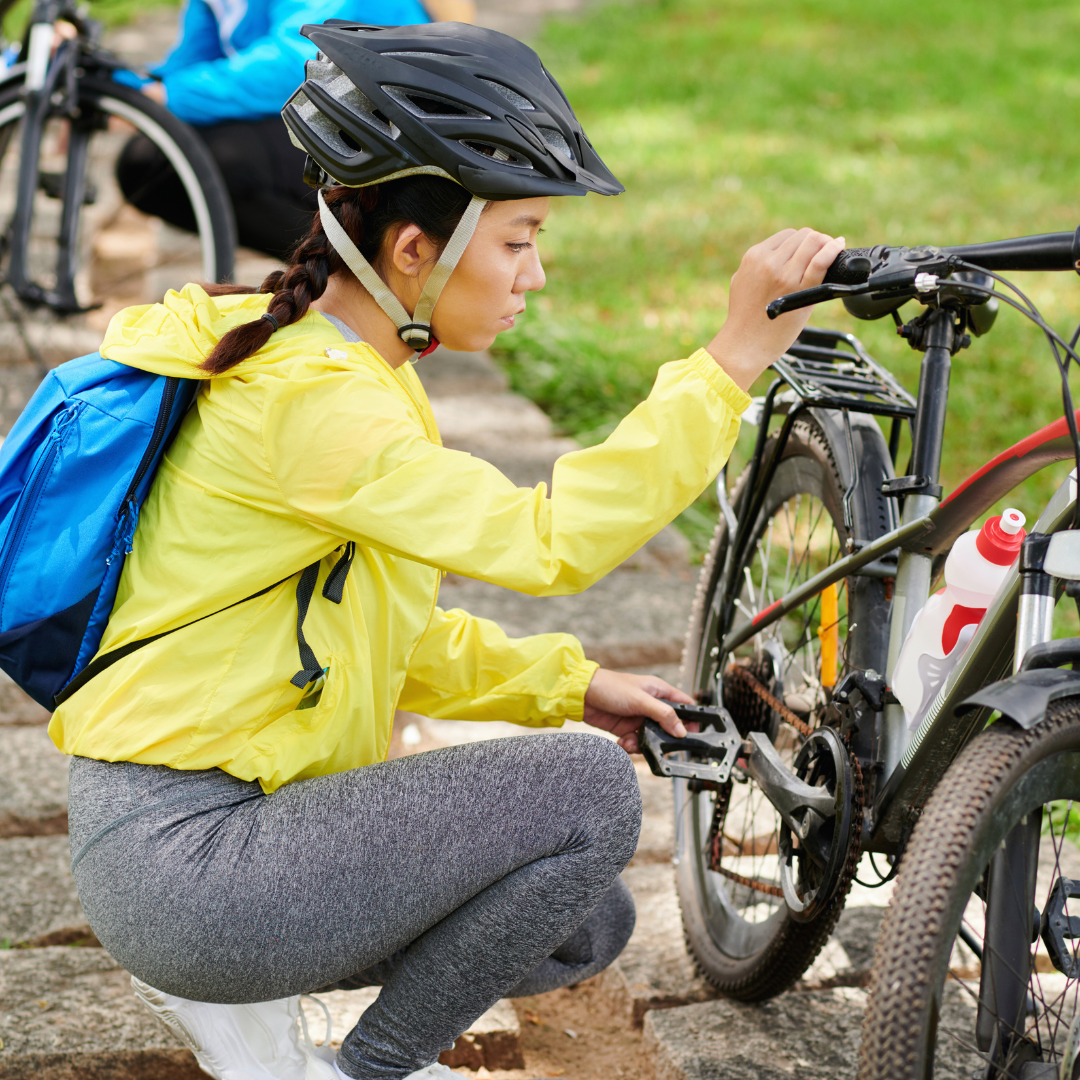
Adrenaline rides promise excitement, but safety should never be overlooked. Before stepping into any thrill-seeking experience, riders must perform critical checks to protect themselves from preventable accidents. The most important safety step is ensuring all equipment is secure and functioning properly.
Verifying harnesses, seat belts, and helmets for proper fit and condition drastically reduces the risk of injury. Riders should also confirm that operators have conducted thorough routine maintenance on the ride. These basic yet vital checks help ensure each adrenaline rush stays safe and enjoyable.
Essential Pre-Ride Safety Checklist
Performing thorough checks before any adrenaline ride reduces the risk of mechanical failures and enhances control. Key areas to focus on include tires, brakes, wheels, and the overall bike setup. Each element demands careful inspection to maintain safety and performance.
Check Your Tires and Tire Pressure
Tires must be visually inspected for cuts, embedded objects, or uneven wear patterns. Such damage can cause unexpected blowouts or poor traction during a ride. Riders should also verify that the tire pressure matches the manufacturer’s recommended range, usually found on the tire sidewall.
Using a reliable pressure gauge, they should inflate or deflate tires accordingly. Proper tire pressure ensures better handling, prevents pinch flats, and reduces the chance of tire blowouts. For off-road or uneven terrain rides, slightly lower pressure improves grip but must still stay within safe limits to avoid rim damage.
Test Your Brakes and Brake Levers
Brake systems are critical for rider safety and must function perfectly. Before the ride, they should squeeze the brake levers to confirm consistent resistance and immediate response. Any sponginess or delay indicates air in hydraulic lines, worn pads, or cable adjustment issues.
Visually inspecting brake pads for thickness and wear ensures they can stop the bike effectively. Brake levers should return smoothly without sticking or excessive free play. Testing both front and rear brakes separately helps identify potential uneven wear or mechanical problems such as sticking calipers or stretched cables.
Inspect Wheels and Axles
Wheels need to be checked for true alignment by spinning them and observing any wobbling side-to-side. Bent rims or loose spokes can cause instability and reduce bike handling precision. Riders should tighten any loose spokes or seek repairs for rim damage.
Axles must be secure, properly tightened, and free of rust or damage. Quick-release levers or thru-axles require a firm lock to prevent loosening during the ride. Checking bearings by rotating wheels manually can reveal roughness or play, indicating the need for maintenance or replacement.
Analyze Pre-Ride Bike Setup
Evaluating the overall bike setup ensures comfort and control during the ride. Adjusting the saddle height and position to fit the rider’s leg extension promotes efficient pedaling and reduces fatigue. Handlebars should be aligned with the front wheel and tightened securely.
Control cables and shifting systems require testing for smooth gear changes without slipping or noise. Lubricating chains and pivot points minimizes friction and mechanical wear. Verifying all bolts and nuts on the frame and components are tightened to the correct torque specs completes the checklist, enhancing bike reliability and rider confidence.
Detailed Tire and Wheel Inspections
Before starting any high-adrenaline ride, a thorough check of tires and wheels is vital. This includes spotting uneven tire wear, maintaining correct tire pressure, and ensuring the wheel’s structural integrity is sound.
Identify Tire Wear and Prevent Flat Tires
It is critical to inspect tires for uneven wear patterns, cracks, or embedded debris. Worn treads reduce traction and increase the risk of slipping, especially at high speeds or on rough surfaces.
Riders should check tire pressure using a reliable gauge. Proper inflation ensures balanced handling and decreases the chance of a flat tire during the ride. Underinflated tires wear faster and generate more heat, which can cause blowouts.
Look closely for bulges or splits on the sidewalls, common precursors to flats. Removing sharp objects from tire surfaces and replacing tires that show significant wear or damage prevents unexpected failures.
Assess Spoke Tension and Rim Condition
Spokes maintain wheel strength and alignment. Loose or broken spokes can make wheels unstable, risking loss of control.
Checking spoke tension involves manually squeezing pairs of spokes to detect looseness or uneven tightness. Professional tools can measure exact tension for precise adjustments.
Examine rims for dents, cracks, or corrosion that could affect the wheel’s performance. Damaged rims might cause wobbling or affect brake function, which is dangerous during fast rides.
Regular maintenance of spokes and rims helps avoid wheel failure and keeps the ride smooth and safe.
Brake System and Drivetrain Assessment
Checking the brake system and drivetrain ensures reliable stopping power and smooth pedaling during adrenaline rides. Proper maintenance of these components reduces risk and enhances performance under demanding conditions.
Examine Brake Pads and Disc Brakes
Brake pads must be inspected for wear and thickness. Pads thinner than 3mm should be replaced immediately to maintain effective stopping power. Contaminated or glazed pads reduce friction and can cause inconsistent braking.
Disc brakes require checking the rotor for warping or scoring. A rotor thicker than 1.5mm and free of deep grooves performs better. Brake calipers must engage evenly on both sides, without rubbing or noise. Hydraulic brake lines or cables should be free from leaks and corrosion.
Cleaning the rotors with isopropyl alcohol before the ride removes oil and dirt. Proper pad and rotor alignment is critical for responsive, reliable braking in high-speed scenarios.
Evaluate Drivetrain Components
Drivetrain elements such as the cassette, chainrings, and chain must be clean and lubricated. Worn teeth on the cassette or chainrings cause chain slipping, leading to loss of power or control. Chains should be checked for stretch using a chain checker tool; replacement is necessary if the stretch exceeds 0.5%.
The derailleur’s hanger should be straight, and the mechanism free of dirt or damage. A misaligned derailleur will cause poor shifting and chain drops. Electric shifting systems require battery level checks and firmware updates for peak performance.
Regular inspection of these parts prevents mechanical failure during intense rides, ensuring the drivetrain operates smoothly and efficiently.
Confirm Gear Shifting Performance
Gear shifts must be tested across all speeds before riding. Smooth, precise shifting indicates proper cable tension or electronic signal calibration. Hesitation, skipping, or noise during shifts signals an adjustment or repair need.
Mechanical drivetrains need properly adjusted limit screws to prevent chain drops. Electric shifting systems should respond instantly without lag, confirming adequate battery power and system integrity.
Riders should engage every gear while pedaling to simulate real conditions. Effective shifting is critical for maintaining cadence, power, and safety on varied terrain.
Final Rider Safety and Equipment Checks
Before starting any adrenaline ride, the rider must ensure their safety gear fits correctly and that the bike is in optimal condition. This includes checking helmet fit thoroughly and confirming essential bike maintenance tasks are complete.
Fit and Secure Your Helmet
The helmet should sit level on the rider’s head, covering the forehead without tilting backward or forward. Straps must tighten comfortably under the chin, allowing only one or two fingers to fit between the strap and skin.
Visually inspect the helmet for cracks, dents, or damage that might compromise protection. Confirm the retention system works correctly and doesn’t loosen unexpectedly during movement.
Adjust the padding inside the helmet to eliminate pressure points. An ill-fitting helmet increases risk, so a snug fit that doesn’t restrict breathing or vision is essential.
Review Bike Maintenance Essentials
The rider or technician should check that tire pressure matches the recommended PSI for the bike and riding conditions. Worn tread or cuts on tires reduce traction and should be replaced before riding.
Brakes must respond sharply without dragging. Inspect brake pads for wear and ensure cables or hydraulic lines have no leaks or frays.
Chain tension and lubrication impact bike performance and safety. The chain should move smoothly without skipping or binding, and excess dirt or rust must be cleaned away.
Suspension and frame should show no signs of damage or unusual noises during compression tests. Proper suspension setup affects control and stability on rough terrain.


Post Comment