The Complete Guide to Tyre Maintenance for a Smooth Ride
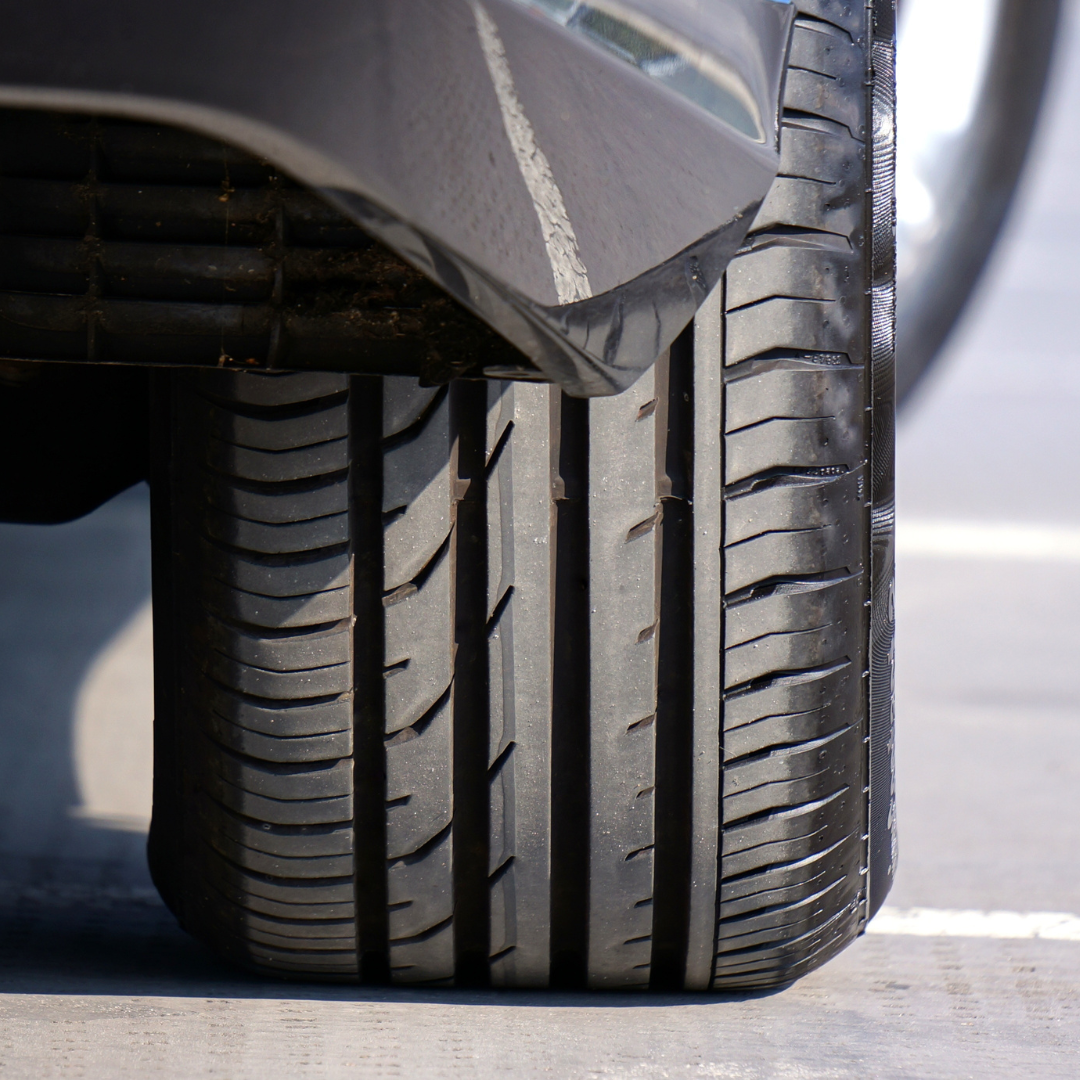
Your vehicle’s tyres are more than just rubber circles rolling down the road-they’re a critical component that ensures your safety, fuel efficiency, and overall driving experience. Yet, tyre maintenance often takes a backseat until a problem arises. Want to keep your tyres in top shape and enjoy a smooth, worry-free ride? Let’s dive into everything you need to know about tyre maintenance.
Why Tyre Maintenance Matters
Imagine driving on tyres that are worn out or improperly inflated. Not only does this lead to a bumpy and uncomfortable journey, but it also poses serious safety risks. Proper tyre maintenance can extend the life of your tyres, improve your vehicle’s performance, and save you money in the long run. Plus, well-maintained tyres Albury contribute to better fuel efficiency, meaning fewer trips to the pump.
Essential Tyre Maintenance Tips
Keeping your tyres in good condition doesn’t have to be complicated. Here are some straightforward tips to help you maintain your tyres effectively:
1. Regularly Check Tyre Pressure
Tyre pressure plays a significant role in your vehicle’s handling and fuel efficiency. Underinflated tyres can cause excessive wear on the edges, while overinflated tyres wear out the center. Both conditions can lead to uneven tread wear and increase the risk of tyre failure.
How Often? Check your tyre pressure at least once a month and before long trips.
How to Check? Use a reliable tyre pressure gauge and refer to your vehicle’s manual or the sticker inside the driver’s door for the recommended pressure.
2. Inspect Tyre Tread Depth
The tread on your tyres provides the necessary grip on the road, especially in wet conditions. Worn-out tread can lead to decreased traction, longer braking distances, and a higher risk of hydroplaning.
- The Penny Test: Insert a penny into the tread with Lincoln’s head upside down. If you can see the top of Lincoln’s head, it’s time to replace your tyres.
- Tread Depth Gauge: For a more accurate measurement, use a tread depth gauge to ensure your tyres have adequate tread.
3. Rotate Your Tyres Regularly
Tyre rotation ensures even wear across all tyres, extending their lifespan and maintaining balanced handling. Different driving conditions can cause tyres to wear at different rates, so regular rotation helps counteract this.
How Often? Aim to rotate your tyres every 5,000 to 8,000 kilometres, or as recommended by your vehicle manufacturer.
Who Should Do It? While you can rotate tyres yourself with the right tools, it’s often best to have a professional handle it to ensure it’s done correctly.
4. Balance and Align Your Tyres
Imbalanced or misaligned tyres can cause uneven wear, vibration, and strain on your vehicle’s suspension. Regular balancing and alignment keep your tyres running smoothly and your vehicle handling properly.
Signs You Need Balancing
Noticeable vibrations in the steering wheel or seat, especially at higher speeds.
Signs You Need Alignment
The vehicle pulls to one side, uneven tyre wear, or crooked steering when driving straight.
5. Maintain Proper Tyre Inflation
Proper tyre inflation not only affects safety and performance but also impacts fuel efficiency. Correctly inflated tyres reduce rolling resistance, making your vehicle easier to drive and more economical.
Benefits of Proper Inflation
Enhanced fuel efficiency, improved handling, and extended tyre life.
Tips for Maintaining Inflation
Keep a spare gauge in your vehicle, check pressure regularly, and don’t forget to adjust for temperature changes, as tyre pressure can drop in colder weather.
Additional Tyre Care Practices
Beyond the essentials, there are a few extra steps you can take to ensure your tyres remain in excellent condition:
Clean Your Tyres
Regularly cleaning your tyres removes dirt, grime, and road salts that can cause deterioration. Use a mild soap and water solution, and avoid harsh chemicals that can damage the rubber.
Store Tyres Properly
If you have seasonal tyres, proper storage is crucial when they’re not in use. Keep them in a cool, dry place away from direct sunlight and sources of heat. Store them upright or stacked on their side to prevent deformation.
Avoid Overloading Your Vehicle
Exceeding your vehicle’s weight limit can put extra stress on your tyres, leading to premature wear and potential failure. Always check your vehicle’s maximum load capacity and avoid overloading.
When to Replace Your Tyres
Despite your best maintenance efforts, tyres don’t last forever. Even after proper maintenance, if replacement becomes necessary, reputable suppliers like Trade Tyres can offer a wide range of quality tyres to suit your vehicle’s needs. Now, knowing when to replace them is crucial for your safety and vehicle performance.
Signs It’s Time to Replace Your Tyres:
- Visible Damage: Cracks, bulges, or punctures that can’t be repaired.
- Excessive Wear: Tread depth below the legal limit or uneven wear patterns.
- Age: Tyres older than six years, regardless of tread wear, should be inspected by a professional.
- Vibrations: Persistent vibrations that aren’t resolved by balancing or alignment.
Conclusion: Keep Rolling Smoothly
Tyre maintenance might seem like a hassle, but the benefits far outweigh the effort. By regularly checking tyre pressure, inspecting tread depth, rotating your tyres, and ensuring proper balance and alignment, you can enjoy a smoother, safer ride and extend the life of your tyres. Remember, well-maintained tyres contribute to better fuel efficiency and overall vehicle performance, making them a worthy investment in your driving experience.


Post Comment