Maintenance Tips for High-Performance Engines to Maximize Efficiency and Longevity
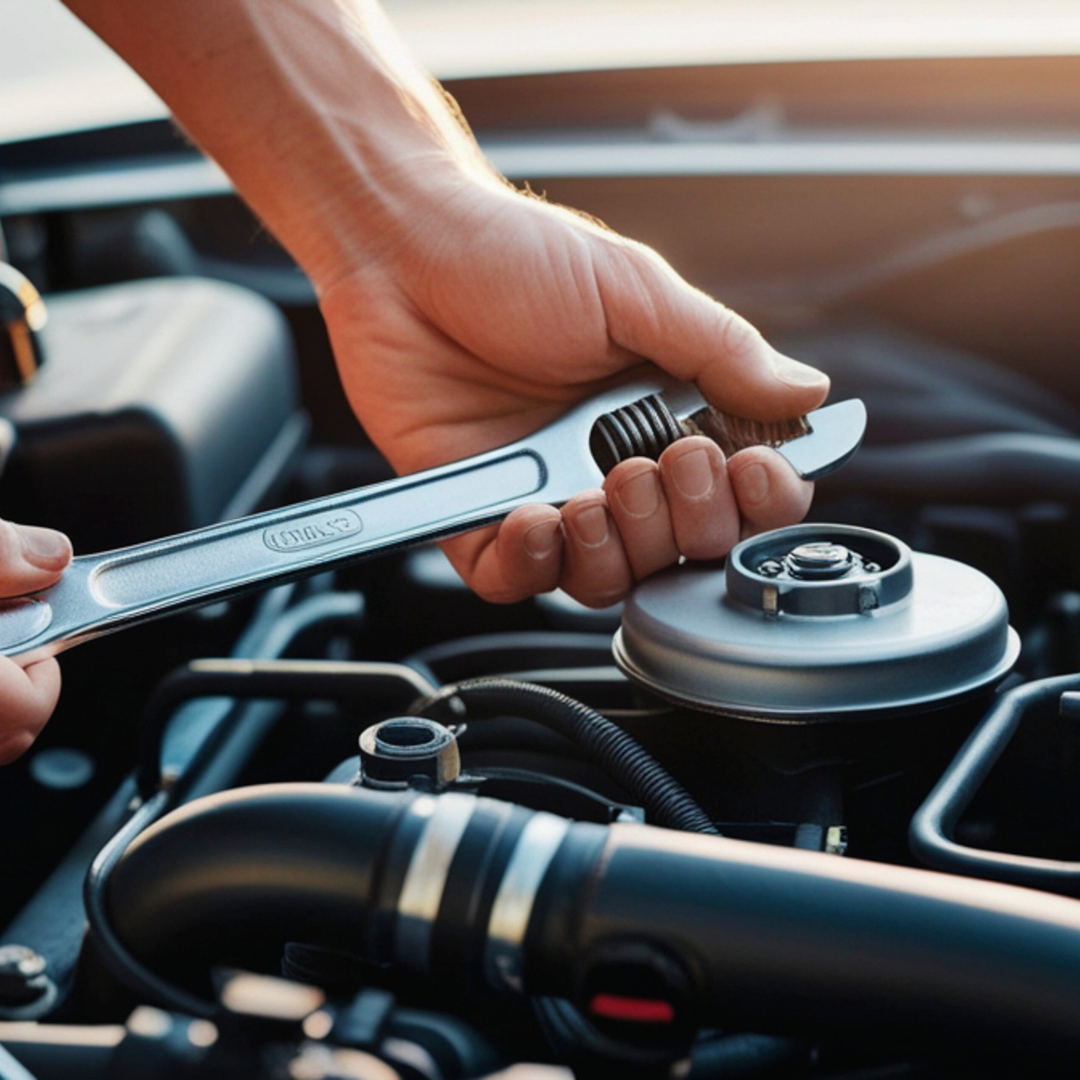
Maintaining a high-performance engine requires more than routine checks; it demands precise care tailored to its advanced components. Regular oil changes, quality fuel, and timely inspections are essential to keep these engines running at optimal levels.
Consistent monitoring of coolant levels, air filters, and spark plugs significantly extends engine life and performance. Neglecting these areas can lead to costly repairs and reduced efficiency.
Anyone aiming to preserve engine power and reliability must focus on these key maintenance practices to protect their investment and ensure peak operation.
Engine Care Fundamentals
Proper engine care relies on maintaining clean fluids and filters, as well as adhering to a strict timeline for service. These practices help preserve engine health and ensure a high-performance vehicle runs at its best.
Regular Oil Changes and Selecting Synthetic Oil
Frequent oil changes are critical for high-performance engines to prevent wear caused by heat and friction. Using high-quality synthetic oil offers superior protection compared to conventional oil due to its enhanced thermal stability and oxidation resistance.
Experts recommend changing the oil every 5,000 to 7,500 miles, or more often if the vehicle is driven aggressively or under harsh conditions. Synthetic oils maintain viscosity longer, helping sustain engine lubrication and reduce sludge buildup.
Routine oil analysis can indicate engine wear and performance issues early. He or she should always check the manufacturer’s guidelines to balance oil change frequency and protect engine components.
Air Filter and Fuel Filter Replacement
The air filter cleans incoming air, preventing debris from damaging internal engine parts. A clogged air filter reduces airflow, lowering performance and fuel efficiency. For high-performance vehicles, replacing air filters every 12,000 to 15,000 miles or during regular inspections is advisable.
Similarly, the fuel filter ensures fuel purity by trapping contaminants that can clog injectors or damage the fuel pump. Replacing fuel filters every 20,000 to 30,000 miles maintains efficient fuel delivery and engine responsiveness.
Using high-quality air and fuel filters specific to a high-performance engine maximizes airflow and fuel quality, contributing to overall engine health.
Service Schedule and Preventive Maintenance
Adhering to the manufacturer’s service schedule is vital for preventive maintenance in high-performance engines. Scheduled inspections include checking belts, spark plugs, coolant levels, and other components that affect engine operation.
Preventive maintenance reduces the risk of unexpected failures by identifying worn parts before they cause damage. Records should be kept meticulously to track engine care and ensure all required maintenance intervals are met.
Following this schedule supports engine longevity and consistent performance, lowering long-term repair costs and downtime.
Cooling and Fluid Management
Proper cooling and fluid management are essential to prevent overheating and ensure smooth operation in high-performance engines. Monitoring fluid conditions and system components regularly helps maintain engine efficiency and longevity.
Maintaining Coolant Levels
The coolant level must always stay within the recommended range marked on the reservoir. Low coolant levels risk engine overheating, leading to potential damage like warped heads or blown gaskets.
It is important to check the coolant level when the engine is cold to avoid burns and inaccurate readings. Using the correct coolant type specified by the manufacturer ensures optimal thermal performance and corrosion resistance.
Adding distilled water when topping off helps prevent mineral deposits. Flushing and replacing coolant every 2-3 years or as advised by the vehicle manual keeps the system free of contaminants and maintains proper freezing and boiling points.
Radiator and Cooling System Checks
The radiator should be inspected for leaks, corrosion, or blockages regularly. Damage to radiator fins can reduce airflow and impair cooling efficiency.
Hoses and clamps need examination for cracks, brittleness, or loose fittings that could cause coolant loss. The radiator cap must maintain proper pressure; a faulty cap may cause coolant to escape.
Cleaning the radiator exterior with compressed air or water removes debris that restricts airflow. The cooling fan operation should be verified, ensuring it activates at the correct temperature to assist heat dissipation.
Transmission Fluid and Brake Fluid Upkeep
Transmission fluid levels affect shifting performance and component lubrication. It should be checked according to the manufacturer’s schedule, and fluid changes are necessary to remove heat-degraded contaminants.
Brake fluid absorbs moisture over time, reducing braking effectiveness and causing corrosion in the brake system. Regularly checking the brake fluid level and color is critical; dark or low fluid indicates the need for replacement.
Only use fluid types approved for the vehicle to maintain system integrity. Keeping transmission and brake fluids fresh and at proper levels supports overall vehicle safety and performance.
Ignition and Electrical System Maintenance
Proper care of the ignition and electrical systems helps sustain engine performance and reliability. Monitoring the condition of spark plugs, ignition coils, and the battery reduces the risk of misfires or starting issues.
Spark Plug Replacement and Ignition System Checks
Spark plugs must be inspected regularly to keep combustion efficient. Worn or fouled spark plugs can cause misfires, reduce power, and increase fuel consumption. Replacement intervals vary but typically range from 20,000 to 60,000 miles, depending on the plug type and vehicle recommendations.
The ignition system, including ignition coils and wiring, should be tested for signs of wear or corrosion. Faulty coils can cause inconsistent sparks, affecting engine smoothness and performance. Testing resistance levels with a multimeter verifies coil function. Replacing degraded components ensures consistent ignition timing and optimal engine output.
Battery Maintenance for High-Performance Cars
The battery must deliver reliable starting power and maintain voltage under load. Regularly cleaning terminals and ensuring tight connections prevents voltage drops. Checking the battery’s state of charge and overall condition helps avoid unexpected failures.
High-performance vehicles may require batteries with higher cold-cranking amps (CCA) to handle increased electrical demands. Battery testing using a load tester or a digital tester confirms starting capability and health. Replacing weak batteries supports the ignition system and other electronic engine controls vital for maintaining engine health.
Tires, Brakes, and Seasonal Considerations
Proper care of tires and brakes directly affects a high-performance engine’s efficiency, safety, and longevity. Different tire types and seasonal changes require specific attention to maintain optimal vehicle performance.
High-Performance Tire Inspection and Rotation
High-performance tires wear unevenly due to aggressive driving and increased traction demands. It is critical to inspect tires weekly for tread depth, sidewall damage, and irregular wear patterns.
Maintaining tire pressure within manufacturer specifications improves fuel efficiency and handling. Rotation every 5,000 to 7,000 miles promotes even wear, extending tire life.
Checking for alignment issues during rotation prevents uneven wear and reduces strain on the suspension system. Balancing tires is essential to avoid vibrations that can affect steering precision and brake response.
Brake System Maintenance
The brake system on high-performance cars requires frequent checks, especially for pads, rotors, and fluid levels. Performance brakes operate under intense heat, making pad and rotor wear faster than standard systems.
Brake fluid should be flushed and replaced at least once a year to prevent moisture contamination and maintain hydraulic pressure. Monitoring brake pad thickness and rotor surface condition helps avoid reduced stopping power.
Using brake components designed for high-performance cars is essential to maintain consistent braking under stress. Regular inspections prevent brake fade and ensure reliable response during aggressive driving.
Adjusting for Summer Tires and Seasonal Demands
Summer tires offer superior grip and high-speed stability but lose effectiveness below 45°F due to harder rubber compounds. Switching to high-performance all-season or winter tires before cold weather preserves traction and safety.
Drivers should monitor tire pressure more frequently during temperature fluctuations. Winter or all-season tires have different tread patterns that prevent hydroplaning and improve braking on wet or icy roads.
Storing summer tires properly in a cool, dry place prevents premature drying and cracking. Seasonal adjustments in tires and brake inspections ensure the car performs well under varying conditions without compromising safety.



Post Comment