Is It Safe to Use Online Banking? Understanding the Risks and Benefits
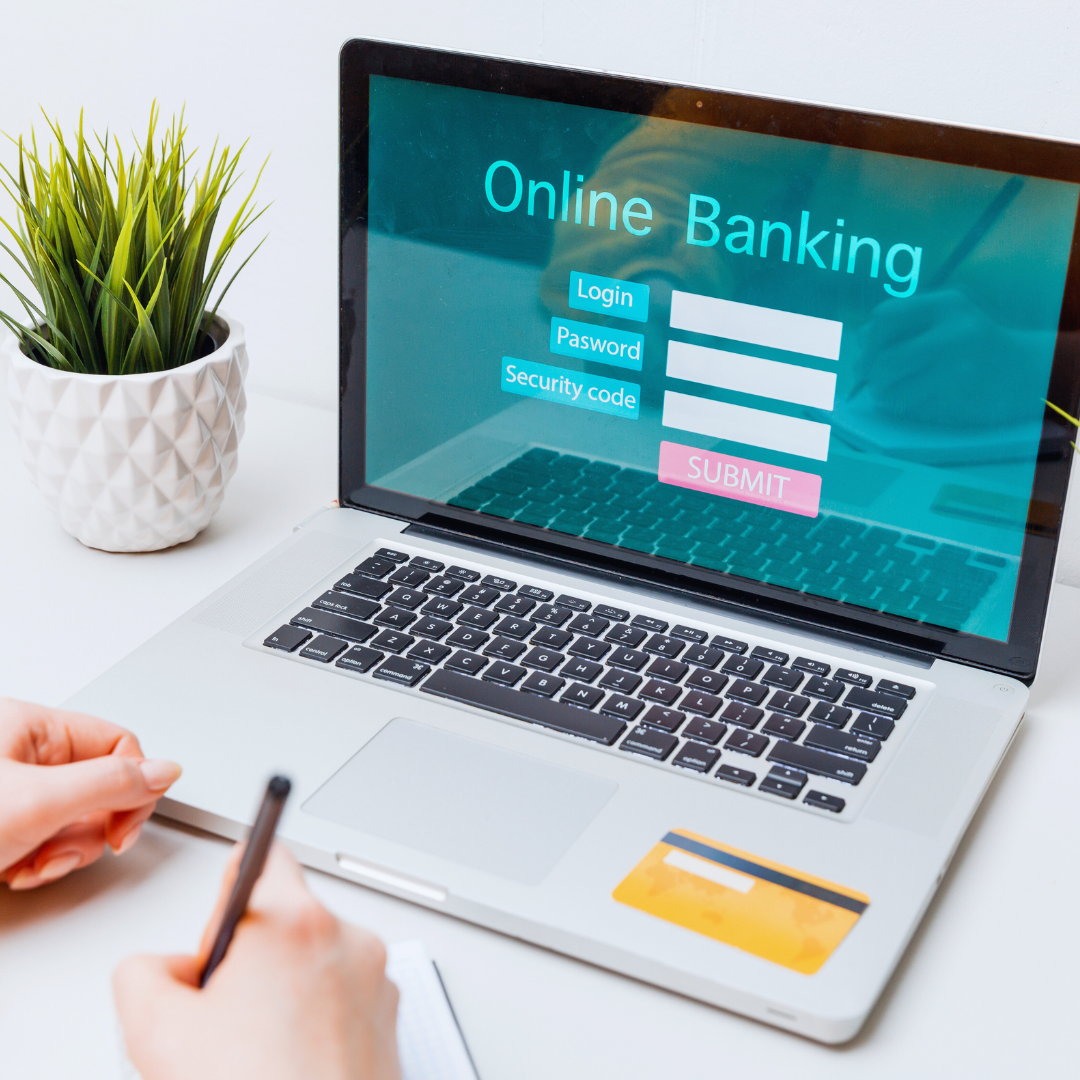
Online banking has become a fundamental aspect of everyday financial management, allowing users to manage their accounts with ease. With the convenience of internet banking, many worry about the security of their personal and financial information. Generally, it is safe to use online banking, provided users take necessary precautions.
Security measures implemented by banks, such as encryption and two-factor authentication, have significantly enhanced the safety of online transactions. However, individuals must also remain vigilant about their online habits and recognise potential risks. Basic practices like using strong passwords and regularly monitoring account activity can greatly reduce the chances of falling victim to fraud.
As more people embrace the benefits of online banking, understanding the security landscape is crucial. By staying informed and adopting best practices, individuals can confidently utilise internet banking for their everyday banking needs.
Understanding Online Banking Security
Online banking security relies on multiple layers of protection to safeguard users’ financial information and transactions. Key measures include encryption, firewalls, and robust authentication processes that protect accounts from unauthorised access.
Encryption and Firewalls
Encryption is a critical component of online banking security. It converts sensitive information, such as passwords and account numbers, into a code that can only be deciphered by authorised systems. This ensures that even if data is intercepted, it remains unreadable.
Firewalls serve as a barrier between a user’s device and potential threats from the internet. They monitor incoming and outgoing traffic, blocking attempts to access private data. Banks often implement advanced firewalls to detect and prevent unauthorised access, ensuring a secure banking environment for customers.
Authentication Processes
Authentication processes are vital for verifying user identity. Many banks employ multiple methods, including passwords, PINs, and biometrics. A strong password should be unique, combining letters, numbers, and symbols, while regular updates enhance security.
Biometric authentication, such as fingerprint or facial recognition, adds an extra layer of security, making it more difficult for others to access an account. Security centres monitor user activity and send alerts for unusual transactions, further protecting accounts from fraud.
Safeguarding Your Banking Experience
Maintaining security when banking online involves taking steps to protect passwords, address malware threats, and ensure the safety of mobile banking applications. The following guidelines provide essential strategies for a secure online banking experience.
Protecting Your Passwords
Creating strong passwords is critical for safeguarding online banking accounts. A robust password should contain a mix of upper and lower-case letters, numbers, and symbols.
Password Management Tips:
- Use at least 12 characters.
- Avoid personal information like birthdays or names.
- Change passwords regularly and avoid using the same password across multiple sites.
Consider using a reputable password manager to securely store and generate passwords. This eliminates the risk associated with forgetting complex passwords and enhances security against unauthorised access.
Dealing with Malware and Data Breaches
Malware poses a significant threat to online banking security. Users should install reliable antivirus software to detect and eliminate malware. Keeping this software updated is essential for protection against the latest threats.
Preventive Measures:
- Regularly update all software, including operating systems and banking applications.
- Be cautious about clicking on links or downloading attachments from unknown sources.
- Monitor bank statements for any unauthorised transactions.
In the event of a data breach, individuals should change their banking passwords immediately and alert their bank to any suspicious activity.
Mobile Banking App Security
Mobile banking applications are convenient but can be risky if not properly secured. Users should only download banking apps from trustworthy sources, such as the App Store or Google Play.
App Security Practices:
- Enable two-factor authentication for an added layer of security.
- Regularly update the banking app to benefit from security patches.
- Use mobile devices equipped with security features like fingerprint recognition or facial recognition.
It is advisable to avoid accessing banking apps over public Wi-Fi, as this can expose accounts to potential threats. Always use a secure, private connection for online banking activities.
Utilising Banking Services with Confidence
Accessing banking services confidently involves understanding the roles of local banking hubs, community bankers, and the significance of investing and insurance services. These elements contribute to a secure and informed banking experience.
Banking Hubs and Community Bankers
Banking hubs serve as vital centres for local communities, offering personalized services. Community bankers focus on building relationships with customers, which often leads to better financial advice tailored to individual needs.
Customers benefit from engaging with community bankers who possess in-depth local knowledge. These bankers can assist in selecting the right accounts, loans, and investment options that suit specific financial situations.
To enhance security, many banking hubs now integrate advanced technology while maintaining a personal touch. This blend provides a safe environment for managing accounts and accessing services. Clients should leverage the expertise of their local bankers to navigate financial choices confidently.
Investing and Insurance Services
Investing services are crucial for financial growth and wealth management. Banks often provide a range of investment products, including stocks, bonds, and mutual funds. Understanding these options can enable individuals to make informed decisions regarding their financial futures.
Insurance services complement banking by offering protection against unforeseen events. Banks typically offer various insurance products, such as life, health, and property insurance. Customers should evaluate their needs and seek advice to choose appropriate coverage.
Combining banking and investment services streamlines the management of finances. It is essential for customers to regularly consult with banking professionals to adapt their strategies as life circumstances change, ensuring continued financial security.


Post Comment