Improving Your Driving Habits for Safer and More Efficient Travel
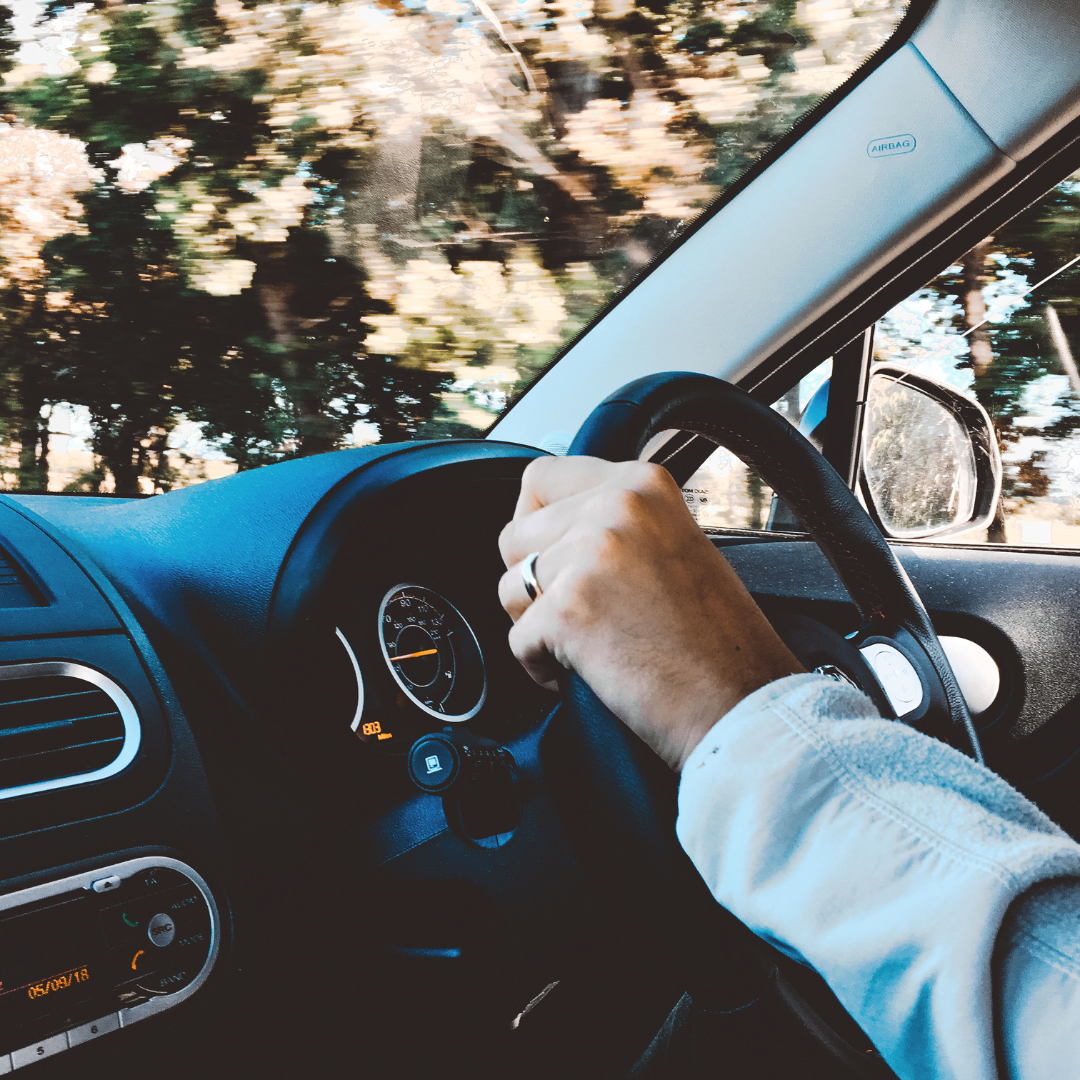
Many drivers unconsciously develop habits that can negatively impact their safety and efficiency on the road. Improving driving habits not only enhances personal safety but also contributes to a better driving experience for everyone. Small changes in behavior can lead to significant improvements over time.
Mindfulness while driving plays a crucial role in reducing distractions and increasing awareness. By focusing on the task at hand, drivers can better anticipate potential hazards and respond accordingly. This heightened awareness fosters a safer environment for all road users.
Adopting techniques such as proper vehicle maintenance and understanding traffic laws can further enhance driving proficiency. Making a conscious effort to practice these habits can transform one’s driving routine, leading to a more enjoyable and secure journey.
Understanding Driving Habits
Driving habits significantly affect road safety and personal driving performance. Good habits contribute to safer driving, while bad habits can lead to accidents and traffic violations. Recognizing and adjusting these behaviors is crucial.
Defining Good and Bad Habits
Good driving habits include maintaining a safe distance from other vehicles, using turn signals, and obeying traffic laws. Being sober while driving is an essential rule to follow as well. But there might be instances when you are charged for drinking and driving. In such situations, approaching lawyers from those at Sparks Law Firm or similar ones can help you get out of the offense. But it is good practice to abide by the rules to enhance the safety of yourself and others. Also, regularly checking mirrors and being aware of surroundings also fall into this category.
Bad habits often include aggressive driving, speeding, and distracted driving, such as using a phone while driving. These behaviors increase the likelihood of accidents and legal issues where you will need a Minneapolis DWI lawyer or one local to you. Identifying personal bad habits is the first step toward improvement, fostering a more responsible driving attitude.
Psychology Behind Habit Formation
Understanding the psychological aspects of habit formation can aid in changing driving behaviors. Habits develop through a loop of cues, routines, and rewards. For instance, feeling stressed may trigger aggressive driving, which could bring short-term relief but has long-term negative consequences.
Motivation plays a key role in changing habits. A driver might consider improving habits for safety, insurance benefits, or personal satisfaction. Consistency in practicing good driving behaviors helps solidify them into daily routines, leading to lasting change. Awareness of emotional triggers and employing strategies, like mindfulness, can significantly aid in reshaping driving habits.
Assessing Your Current Driving Patterns
Understanding personal driving habits is a crucial step toward improvement. Individuals should focus on self-monitoring their behaviors and leveraging technology to gain insights into their driving patterns.
Self-Monitoring Techniques
To assess driving patterns, individuals can begin by keeping a driving journal. Recording details such as time, location, speed, and any incidents can reveal habits over time.
Reflecting on situations that triggered stress or impatience can also be insightful. These patterns often highlight areas for improvement, such as aggressive lane changes or tailgating.
Regularly evaluating these records will help individuals identify consistent behaviors. Engaging in self-assessment encourages accountability and empowers drivers to make intentional changes as they become more aware of their driving habits.
Utilizing Technology Aids
Technology plays a significant role in assessing driving patterns. Mobile apps and devices offer features that can track speed, braking habits, and acceleration.
These tools often provide real-time feedback, allowing drivers to adjust their behavior immediately. Many applications even include scoring systems based on safe driving practices.
Integrating these technologies allows for a more detailed analysis over time. Users can review trends and pinpoint specific driving scenarios that require attention. Data-driven insights from these tools can be instrumental in developing safer driving habits.
Fundamentals of Safe Driving
Safe driving requires consistent adherence to traffic laws, implementing defensive driving strategies, and adjusting to varying weather and road conditions. These essentials help promote a safer driving environment for everyone on the road. Keep in mind that you can do everything right, but you still have the potential to get into an accident if the other driver is not paying attention. If this does happen with you, make sure to stay calm and get into contact with the right people, from the police to a law firm such as Floyd Hunter, for example.
Adherence to Traffic Laws
Following traffic laws is foundational for safe driving. These laws include speed limits, stop signs, and right-of-way rules. Ignoring them increases the risk of accidents and legal consequences.
- Speed Limits: Drivers must adhere to posted speed limits. Speeding reduces reaction time and increases the severity of accidents.
- Traffic Signals: Obeying traffic signals helps maintain order on the road. Running a red light is a significant cause of collisions.
- Seat Belt Use: Wearing a seat belt is mandatory in many places. It reduces the risk of injury in case of an accident. Regular maintenance, including Seat Belt Pretensioner Repair, ensures that seat belts function correctly in the event of a crash, providing maximum protection.
Consistent compliance with these laws fosters predictable driving behavior, benefiting all road users.
Defensive Driving Strategies
Defensive driving involves anticipating potential hazards and taking proactive measures to avoid them. It emphasizes being aware of other drivers and road conditions.
- Maintain Safe Distance: Keeping a safe following distance allows for better reaction time. A distance of at least three seconds is recommended.
- Stay Alert: Drivers should minimize distractions, such as phone use. Staying focused enhances situational awareness.
- Use Mirrors: Regularly checking mirrors helps drivers stay aware of their surroundings. This practice aids in safely changing lanes and merging.
These strategies prepare drivers to respond to unexpected situations, reducing the likelihood of accidents.
Adjusting to Weather and Road Conditions
Weather significantly impacts driving conditions. Adjusting to these changes is essential for safe travel.
- Rain and Wet Roads: Reduce speed and increase following distance during rain. Wet roads decrease traction and increase stopping distances.
- Snow and Ice: Use winter tires for better traction. Driving on icy roads requires slower speeds and gentle maneuvers.
- Fog: In foggy conditions, use low-beam headlights and reduce speed. Visibility is limited, making caution crucial.
Adapting driving techniques based on conditions ensures safer journeys regardless of environmental factors.
Developing Positive Driving Behaviors
Cultivating positive driving habits can significantly enhance road safety and improve the driving experience. Key components include slow maneuvering, maintaining focus, and diligent vehicle maintenance.
Slow and Controlled Maneuvering
Driving at lower speeds allows for better reaction times and improved vehicle control. It is advisable to adjust speed according to road conditions, traffic density, and visibility.
Techniques for Controlled Driving:
- Anticipate Traffic: Look ahead and anticipate changes in traffic flow.
- Gradual Acceleration and Braking: Avoid sudden movements to maintain stability.
Using turn signals well in advance of turns or lane changes also enhances predictability. Staying within the speed limit and obeying traffic signals contributes to a safer driving environment.
Maintaining Focus and Avoiding Distractions
Distractions can significantly impair driving performance. To mitigate this risk, drivers should establish boundaries regarding their use of devices while driving.
Focus Strategies:
- Limit Phone Usage: Use hands-free options if necessary.
- Adjust Controls Before Driving: Ensure settings for climate control or music are set before starting the journey.
Furthermore, maintaining a calm environment inside the vehicle can help to reduce mental distractions. Regular breaks on long trips keep attention sharp.
Regular Vehicle Maintenance
Routine vehicle maintenance is essential for ensuring safety on the road. A well-maintained vehicle performs better and is less likely to experience unexpected breakdowns.
Key Maintenance Tasks:
- Check Tire Pressure: Proper inflation enhances fuel efficiency and handling.
- Regular Oil Changes: Ensures the engine runs smoothly and efficiently.
Inspecting brakes and lights regularly also contributes to overall safety. Keeping a maintenance schedule can prevent many issues before they arise, leading to more confident driving.
Improving Driving Skills
Enhancing driving skills involves continual learning and the application of best practices. Focused training and defensive tactics can significantly boost one’s abilities behind the wheel.
Advanced Driver Training Courses
Advanced driver training courses are designed to equip individuals with specialized skills. Such courses cover various aspects like vehicle control, advanced maneuvers, and emergency response tactics.
Key benefits include hands-on experience and professional guidance. Students often learn about braking techniques, skid control, and safe passing.
Courses typically involve both classroom instruction and practical driving sessions. This blend ensures participants understand theoretical concepts and can apply them in real situations.
Investing time in these courses can lead to safer driving habits and improved confidence on the road.
Practicing Defensive Driving
Defensive driving emphasizes proactive techniques that can prevent accidents. This approach encourages drivers to be aware of their surroundings and anticipate the actions of others.
Drivers should maintain a safe following distance, ideally three to four seconds behind the vehicle ahead. This gap allows for better reaction time in unexpected situations.
Additionally, using mirrors and checking blind spots regularly is crucial. Awareness of potential hazards, such as pedestrians or cyclists, can reduce the risk of collisions.
Engaging in regular self-assessments can help identify areas for improvement. This ongoing practice solidifies defensive driving as a fundamental skill that enhances road safety.
Adapting to Different Driving Environments
Driving demands adaptability. Various environments require distinct skills and mindsets. Awareness of surroundings and local conditions enhances safety and efficiency.
City Driving Versus Highway Driving
City driving involves unique challenges such as dense traffic, frequent stops, and pedestrians. Drivers must stay alert to sudden changes, including road construction and cyclists.
Key considerations include:
- Speed Limits: Typically lower in urban areas. Adhering to these limits reduces the risk of accidents.
- Traffic Signals and Signs: Understanding these is crucial for safe navigation.
- Proximity to Others: Maintaining a safe distance from vehicles and pedestrians helps prevent collisions.
In contrast, highway driving allows for higher speeds but requires a different focus. Drivers should prioritize:
- Lane Changes: Always check mirrors and blind spots.
- Maintaining Distance: A larger buffer zone is necessary to allow for sudden stops.
- Use of Cruise Control: This assists in maintaining a constant speed but should be disengaged in changing conditions.
Night Driving Considerations
Driving at night introduces distinct risks and challenges. Reduced visibility and fatigue can impact a driver’s ability to react quickly.
Important tips include:
- Headlights: Ensure headlights are clean and properly adjusted.
- Speed: Reducing speed is essential due to limited vision of obstacles and pedestrians.
- Fatigue Management: Maintaining alertness is crucial. Regular breaks can help.
Additionally, be aware of other drivers who may not follow traffic rules. Nighttime behavior can differ significantly from daytime driving, necessitating increased caution.
Dealing with Road Rage and Aggression
Managing road rage is crucial for a safer driving experience. Recognizing triggers and employing effective coping mechanisms can significantly reduce aggressive behaviors behind the wheel.
Recognizing Triggers
Identifying what provokes road rage is the first step toward controlling it. Common triggers include:
- Tailgating: Feeling pressured when another vehicle is too close.
- Slow Drivers: Frustration builds when stuck behind a driver who is under the speed limit.
- Disrespectful Behavior: Actions like cutting off, weaving in and out of traffic, or not using turn signals can ignite anger.
Awareness of these triggers enables better self-regulation. Drivers can practice being more patient. Recognizing personal responses to these situations fosters a calmer mindset, leading to improved driving habits.
Coping Mechanisms for Stressful Situations
Implementing coping strategies can help manage aggression when driving becomes stressful. Some effective methods include:
- Deep Breathing: Taking slow, deep breaths reduces anxiety.
- Listening to Music: Calming playlists can create a more pleasant driving atmosphere.
- Positive Self-Talk: Reminding oneself that getting angry won’t resolve the situation helps maintain composure.
Setting realistic expectations about traffic can also minimize frustration. Anticipating delays and planning ahead will make for a smoother journey. Practicing these techniques frequently can promote long-term changes in driving habits.
Eco-Friendly Driving Practices
Adopting eco-friendly driving practices can significantly enhance fuel efficiency and reduce environmental impact. By implementing specific strategies, drivers can contribute to a healthier planet while also saving on fuel costs.
Fuel Efficiency Tips
Maximizing fuel efficiency involves several practical steps. Maintaining proper tire pressure is crucial; under-inflated tires increase rolling resistance and reduce efficiency. Regular engine maintenance, including oil changes and air filter replacements, helps ensure optimal performance.
Driving behavior also plays a key role. Smooth acceleration and deceleration can improve fuel efficiency. It is advisable to avoid excessive idling and to shut off the engine when parked for extended periods. Utilizing cruise control on highways maintains a steady speed, contributing to lower fuel consumption.
Lastly, removing unnecessary weight from the vehicle can enhance mileage. Roof racks and heavy items should be taken off when not needed, as they can negatively affect aerodynamics and fuel economy.
Reducing Carbon Footprint
To effectively reduce their carbon footprint, drivers should consider eco-friendly vehicle options. Hybrid or electric vehicles produce lower emissions compared to traditional gasoline engines. For those with gas-powered vehicles, choosing models with better fuel efficiency ratings is beneficial.
Carpooling and utilizing public transportation can reduce the number of vehicles on the road, lowering emissions collectively. When carpooling, scheduling regular trips with others can optimize vehicle usage.
Another impactful measure is planning trips efficiently. Combining errands into one outing reduces the frequency of trips and unnecessary fuel consumption. By using navigation apps, drivers can avoid congested routes, saving both time and fuel.
Leveraging Technology for Safer Driving
Advancements in technology have provided drivers with tools to enhance safety. By integrating navigation and assistance systems alongside drive-tracking apps, individuals can foster better driving habits.
Navigation and Assistance Systems
Modern vehicles often come equipped with navigation and assistance systems, which significantly contribute to safer driving. These systems provide real-time GPS navigation, helping drivers avoid congested routes and hazards. Features like lane departure warnings and adaptive cruise control alert the driver to potential dangers, promoting safer driving practices.
Key Benefits:
- Traffic Updates: Live traffic information enables rerouting to avoid delays.
- Collision Warnings: Alerts reduce the risk of accidents by warning of nearby obstacles.
- Speed Monitoring: These systems help maintain a safe speed relative to road conditions.
Using these technologies can lead to more informed decision-making on the road and alleviate stressful driving situations.
Usage of Drive Tracking Apps
Drive-tracking apps play a significant role in helping individuals monitor and improve their driving habits. These apps collect data on various factors such as speed, braking, and acceleration patterns. Analysis of the data can identify risky behaviors and areas for improvement.
Features to Consider:
- Feedback Mechanisms: Users receive scores based on driving behavior, motivating safer practices.
- Trip Analytics: A breakdown of trips helps pinpoint specific issues that need addressing.
- Goal Setting: Many apps allow users to set driving goals and track their progress over time.
By utilizing such applications, drivers can develop a clearer understanding of their habits and work towards safer driving practices.
Evaluating Progress and Setting Goals
Monitoring driving habits requires consistent evaluation and well-defined goals. This process enhances awareness and leads to safer driving practices.
Regular Check-ins and Reflection
Regular check-ins foster accountability and growth in driving habits. Setting a specific frequency-weekly or monthly-can help individuals assess their progress objectively.
During these reviews, drivers should consider the following:
- Track Key Metrics: Maintain a record of instances such as speeding, hard braking, and distractions.
- Reflect on Experiences: Think critically about recent drives. Were there moments of frustration or excessive speed?
- Adjust Mindset: Acknowledge achievements and identify areas needing improvement, promoting a more mindful approach to driving.
Incorporating feedback from others, such as passengers, can provide additional insights.
Goal Setting for Continuous Improvement
Establishing clear and achievable goals can significantly enhance driving habits. These goals should be specific, measurable, and time-bound.
For example:
- Reduce Speeding Incidents: Set a goal to decrease speeding occurrences by 50% over three months.
- Minimize Distractions: Commit to keeping the phone off during drives, aiming for a complete month.
- Enhance Observation Skills: Aim to take a defensive driving course within six months to improve situational awareness.
Regularly revisiting these goals will help maintain focus on improvement. Documenting progress reinforces commitment and motivates continuous growth. Small, incremental changes lead to lasting improvements in driving skills.


Post Comment