Buying a Classic Car: Essential Tips for Enthusiasts and First-Timers
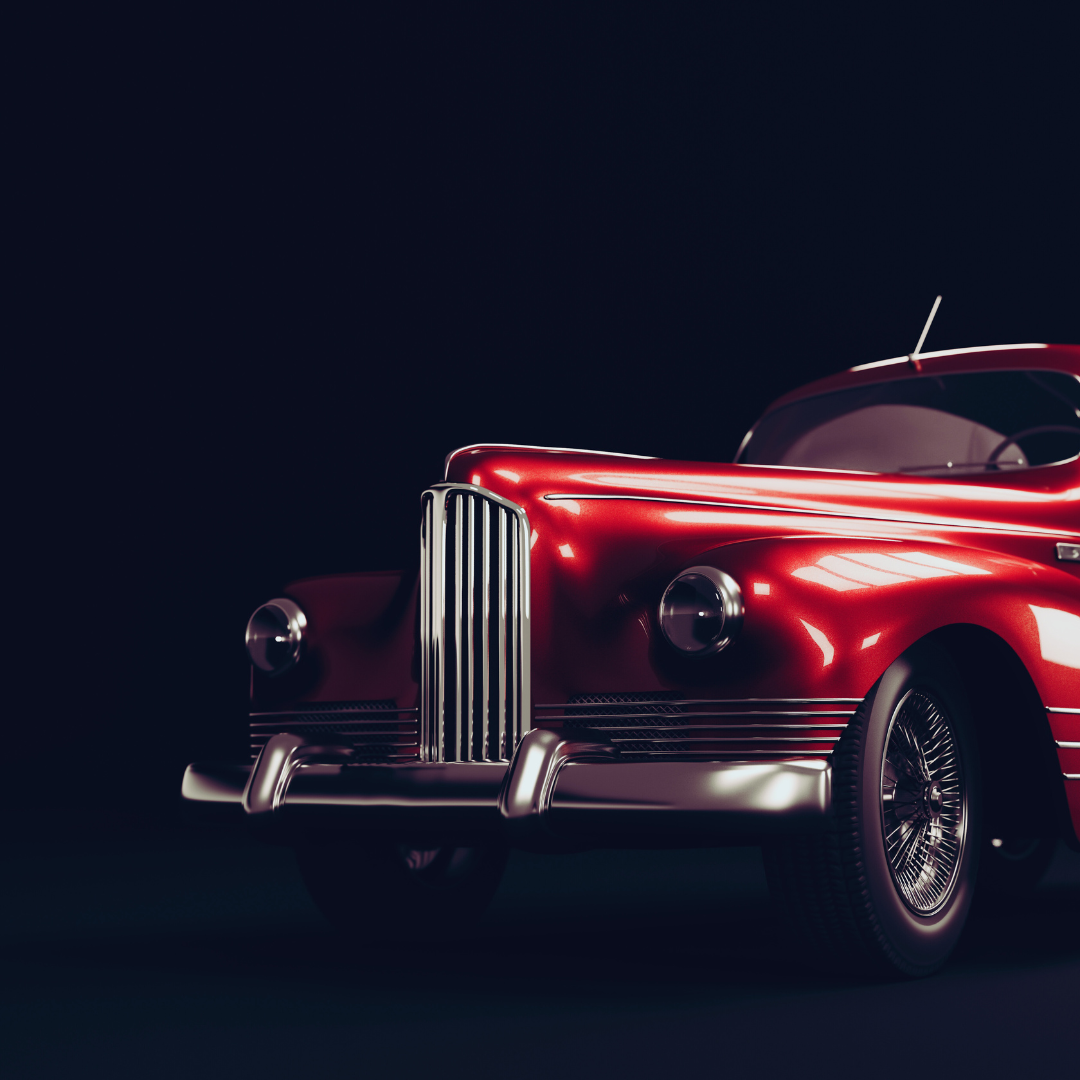
Buying a classic car can be an exciting and rewarding experience for enthusiasts and collectors alike. To make the best purchase, one should focus on factors such as condition, rarity, and provenance. Understanding these elements not only facilitates a wise investment but also enhances the enjoyment of the vehicle.
The classic car market has its own set of challenges and rewards. Knowledge about maintenance, restoration, and market trends is crucial for anyone looking to enter this realm. Those who are well-informed are more likely to find a vehicle that meets their needs and aligns with their passion.
Ultimately, the journey of acquiring a classic car is as significant as the car itself. With the right information and a clear plan, buyers can navigate the complexities of the market and discover a timeless piece of automotive history that brings joy for years to come.
Understanding the Classic Car Market
The classic car market offers a dynamic landscape that varies based on criteria, demand, and specific models. Knowing the intricacies involved can guide buyers in making informed decisions.
Defining ‘Classic’: Criteria and Categories
A classic car typically refers to vehicles that are over 20 years old, though the term can encompass a broader range. Criteria for classification may include historical significance, rarity, and condition. Other categories include:
- Antiques: Cars manufactured before 1925.
- Vintage: Vehicles from 1919 to 1930.
- Muscle Cars: High-performance models from the 1960s and 1970s, such as the 1970 Ford Torino.
Recognizing these categories helps buyers understand their options and navigate the marketplace effectively.
Market Trends: Value and Demand
The classic car market has seen fluctuations based on aftermarket trends and broader economic factors. Certain models have appreciated significantly in value, reflecting demand.
- Future Classics: Models expected to rise in value, such as BMW M-series and select Porsches.
- Exotic Cars: Brands like Ferrari and Lamborghini maintain a strong appeal, often fetching high prices at auctions.
Collectors and enthusiasts play a key role in driving demand. This evolving landscape requires buyers to stay informed about market indicators.
Key Brands and Models: Ford, Chevrolet, Porsche, and More
Certain brands have garnered particular attention in the classic car community. Ford and Chevrolet represent American muscle cars, with models like the 1967 Lola T-70 and the 1970 Ford Torino being highly sought after.
Porsche also holds significant value, especially iconic models like the Porsche 911.
Other noteworthy brands include:
- BMW: Renowned for its M-series vehicles.
- Dodge: Known for models like the Charger and Challenger.
Familiarity with these key players aids buyers in identifying valuable investments within the classic car market.
Acquiring a Classic Car
Finding and acquiring a classic car involves several avenues and considerations. From exploring online platforms to assessing value, each aspect plays a vital role in the buying process.
Where to Find Classic Cars for Sale
Classic cars can be found through various channels. Online marketplaces like AutoHunter, eBay Motors, and specialized classifieds are popular avenues. These platforms often feature a range of listings, from affordable trucks under $5,000 to premium vehicles priced at $250,000 and up.
Local newspaper ads and car shows also provide opportunities for discovering classic vehicles. Buyers should frequently check for new listings to increase their chances of finding a desirable car. Networking with classic car clubs can lead to leads on privately sold vehicles not publicly advertised.
The Role of Auctions: AutoHunter and More
Auctions serve as a thrilling way to acquire classic cars. AutoHunter is one notable platform that features live and timed auctions for various classic cars. Bidders can often find unique cars that are not available elsewhere.
In-person auctions also bring benefits, as buyers can inspect vehicles first-hand. This tactile experience provides a crucial opportunity to assess a car’s condition. Understanding auction house fees is essential, as they can affect the overall cost.
Assessing Value and Budget Considerations
When acquiring a classic car, establishing a budget is crucial. Potential buyers should consider expenses beyond the purchase price, including insurance, maintenance, and restoration costs.
Researching similar models helps in assessing value. Websites and guides listing recent sales can offer price insights, guiding buyers in making informed decisions.
Buyers should also be cautious about emotional attachment; what appears to be a dream car may not fit the budget. A practical approach to budgeting can prevent costly oversights and ensure a satisfying purchase experience.
Inspecting and Evaluating a Classic Car
Thorough inspection and evaluation are crucial when considering the purchase of a classic car. Focus on mechanical performance, the condition of exteriors and interiors, and the investment potential of specific models to ensure a wise decision.
Mechanical Performance and Authenticity
Mechanical performance is vital for classic cars. Buyers should check the engine’s condition, transmission functionality, and the integrity of the chassis.
Key points to inspect include:
- Engine: Listen for unusual noises and check for leaks.
- Transmission: Ensure smooth shifting and responsiveness.
- Brakes and Suspension: Inspect for wear on brake pads and the condition of suspension components.
For authenticity, verify the vehicle identification number (VIN) matches the documentation. Owners should consider the use of original parts versus replicas, as this affects value. For models like the Ford Mustang or Chevrolet Corvette, authenticity can substantially influence market price and collectability.
Exteriors and Interiors: Detailing the Importance
Exterior and interior conditions significantly impact a classic car’s value. A thorough visual inspection is essential.
Important aspects to evaluate:
- Paint: Look for signs of rust, mismatched paint, or body filler.
- Chrome and Trim: Check for pitting or corrosion on chrome accents.
- Interior: Assess upholstery, dashboard condition, and functionality of gauges.
Original or well-preserved interiors generally command higher prices. Luxury performance models, such as the Chevrolet Camaro and Impala, should exhibit minimal wear to maintain their appeal.
Investment Potential of Various Classic Cars
Investment potential varies widely among classic cars. Factors like brand, rarity, and overall condition play significant roles.
Models to consider include:
- Chevrolet Chevelle: Renowned for its muscle; well-maintained examples fetch high prices.
- Ford Mustang: Iconic and popular; restoration enhances market value.
- Chevrolet Corvette: Sought after for performance and collector value; early models have shown consistent appreciation.
Assessing the market history of these vehicles aids in predicting future trends. Buyers should research specific communities or clubs to gain insights into value retention and appreciation rates.
Ownership and Maintenance
Owning a classic car involves more than just driving it; it requires ongoing care, community engagement, and adequate insurance. Understanding these aspects is crucial for maintaining the car’s value and enhancing the ownership experience.
Personalizing with Private Number Plates
For many classic car owners, adding Private Plates provides a unique way to personalize their vehicles. A custom plate can reflect the car’s heritage, model, or even the owner’s personality, adding an extra layer of distinction. Beyond aesthetics, certain private plates have been known to appreciate in value, making them a worthwhile investment alongside the car itself. Owners should ensure that the plate complies with the vehicle’s registration guidelines and consider the added appeal it can bring at car shows and events.
Regular Care for Your Classic Car
Regular maintenance is essential for preserving the value and performance of a classic car. Owners should follow a strict schedule for oil changes, brake inspections, and fluid levels.
Sourcing Quality Replacement Parts
Finding high-quality replacement parts is essential for maintaining the integrity and performance of a classic car. Whether restoring a vehicle to its original condition or making necessary repairs, sourcing the right components ensures longevity and value retention. Authenticity and compatibility are key factors when selecting parts, as mismatched or low-quality replacements can diminish both the vehicle’s performance and its overall worth.
Restoration often requires more than just finding new parts for the engine or interior. The body of the car usually needs a lot of work to remove rust and old layers of paint. Contacting an automotive company that specialises in using aluminium oxide blasting media is popular when it comes to preparing metal surfaces. This material is very hard and cuts through grime quickly without any damage to the metal underneath. It leaves a clean surface that is ready for primer and paint.
For those working on a restoration or repair project, locating specific parts, such as a ford fiesta front bumper, can sometimes be challenging. Enthusiasts often turn to specialized suppliers and online marketplaces to find components that match the original specifications. Additionally, joining classic car forums and clubs can provide valuable connections and recommendations for trusted sources.
Fluid Checks:
Regularly check the oil, transmission fluid, coolant, and brake fluid. Common types are:
- Motor oil
- Gear oil
- Brake fluid
Tire Maintenance:
- Inspecting tire pressure and tread depth frequently is especially important for classic cars. Because these vehicles are often driven less regularly, tires can lose air over time or develop uneven wear without being noticed. Maintaining the correct tire pressure helps ensure proper handling, braking, and ride comfort, while also preventing premature tire damage. Tread depth is equally crucial, as worn treads reduce grip on the road, particularly in wet conditions, increasing the risk of skidding or loss of control. Classic cars also tend to be heavier or handle differently than modern vehicles, making good tire condition essential for safety.
Restoration Considerations:
- Periodic restorations may be necessary for classic and older models, as age naturally takes a toll on materials over time. Components such as rubber seals, hoses, and gaskets can dry out, crack, or rot, even if the vehicle is rarely driven. When these parts fail, they can allow moisture, air, or dirt to enter critical areas, leading to leaks and reduced performance.
Exterior Care:
- Proactive exterior care also plays a crucial role in preventing long-term deterioration. Regular washing is essential to remove corrosive elements like road salt, grime, and environmental pollutants that can degrade paint, chrome, and rubber seals over time. Modern car wash facilities leverage advanced technology to provide thorough cleaning and apply protective coatings, safeguarding the vehicle’s finish from harsh conditions. For enthusiasts dedicated to preserving their classic’s aesthetic and structural integrity efficiently, a high-quality Express Carwash can offer a convenient solution, helping to maintain its pristine condition and reduce the need for future extensive repairs.
Joining a Community: Car Shows and Enthusiast Groups
Engaging with fellow classic car enthusiasts offers invaluable resources. Car shows are excellent venues for sharing experiences and tips on maintenance and care.
- Networking Opportunities: Connecting with other owners can provide insights into the specific needs of various vehicle types, including convertibles, trucks, and motorcycles.
- Car Shows: Participating in shows not only enhances the car’s visibility but also allows for community interaction. Many local chapters host events that can lead to friendships and mentorships.
Online Communities: Internet forums and social media groups offer platforms for advice, sharing experiences, and locating replacement parts.
Insuring and Protecting Your Investment
Insurance is a critical aspect of classic car ownership. It’s important to choose a policy designed for vintage vehicles.
- Specialized Coverage: Seek policies that include agreed value coverage and mileage restrictions, which may reduce premiums.
- Security Measures: Invest in additional security features, such as alarms and GPS tracking devices, to protect against theft.
Storage Solutions: Proper storage can prolong the car’s life. Owners should consider climate-controlled garages or car covers to protect against environmental damage.
Staying well-informed and proactive supports a rewarding classic car ownership experience.


Post Comment