What Your Steering Wheel Is Trying to Tell You
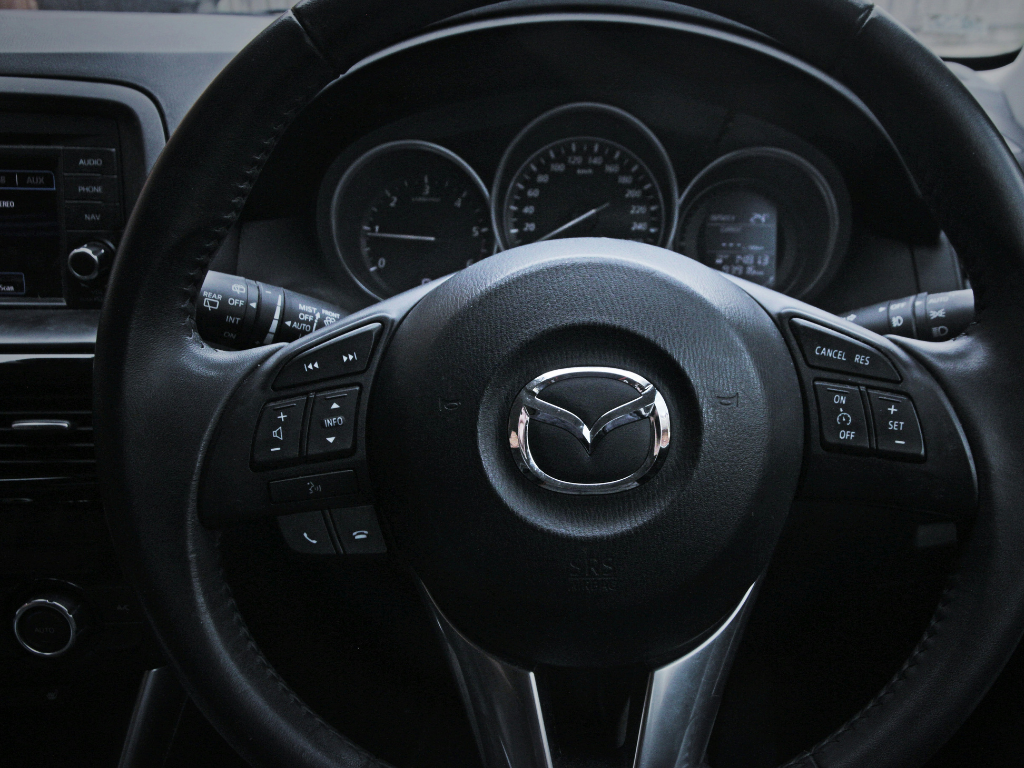
Your steering wheel might seem pretty basic—just something you turn to make your car go left or right. But it’s actually one of the chattiest parts of your car, constantly sending messages about what’s happening underneath the hood and down by the wheels. Most people just grip it and drive without really paying attention to what it’s saying, but once you learn its language, you’ll be amazed at how much useful information it gives you.
When Your Steering Wheel Starts Shaking
That annoying vibration you feel through the steering wheel isn’t just random—it’s your car’s way of waving a red flag. When the steering wheel shakes while you’re driving at highway speeds, it usually means your front wheels are out of balance. Think of it as trying to spin a washing machine with all the clothes bunched up on one side. The wheels want to wobble because the weight isn’t spread evenly around them.
But there’s another type of shaking that happens when you hit the brakes. This one feels different—more of a pulsing sensation that gets stronger the harder you press the brake pedal. That’s your car telling you the brake rotors (those big metal discs behind your wheels) have gotten warped from too much heat. When rotors aren’t perfectly flat anymore, they make the whole steering system jiggle every time the brake pads try to grab them.
By enlisting the help of a professional car steering service, they can help diagnose these vibrations properly and fix whatever’s causing them before they turn into bigger problems.
The Steering Wheel That Won’t Stay Straight
Ever notice how some cars seem to drive themselves straight down the road while others constantly try to wander off to one side? That’s another message your steering wheel is sending. When you have to hold the wheel slightly turned just to keep the car going straight, or when it pulls hard to the left or right the moment you let go, your car is telling you about alignment problems.
Wheel alignment is basically making sure all four wheels are pointing in exactly the right direction and working together as a team. When alignment gets messed up—maybe from hitting a big pothole or scraping a curb—the wheels start fighting each other instead of cooperating. One wheel might be pointing slightly left while another points slightly right, and your steering wheel has to work overtime to keep everything going in the same direction.
This pulling sensation gets even worse when the road is wet or slippery because the tires don’t have as much grip to fight against the misalignment. What starts as a gentle tug can turn into a scary situation where the car wants to shoot off into another lane.
When Turning Becomes Hard Work
Your steering should feel smooth and easy, almost effortless. When turning the wheel starts feeling more demanding than usual, that’s definitely a message worth listening to. Sometimes this happens gradually, so you might not notice it right away—you just slowly get used to wrestling with the steering wheel a little more each day.
Hard steering can mean several different things. Sometimes it’s as simple as low tire pressure making the wheels harder to turn. Other times, it could be the power steering fluid running low, which is the special liquid that helps make steering feel easy. Without enough of this fluid, or if there’s a leak somewhere in the system, turning the wheel becomes a real workout.
More serious steering problems can develop in the steering gear itself or in the joints and connections that link the steering wheel to the wheels. These parts wear out over time, especially if the car has been driven on rough roads or hasn’t been maintained properly.
Strange Noises and What They Mean
Your steering wheel doesn’t just communicate through touch—it also uses sound. A whining noise that changes pitch when you turn the wheel often means the power steering pump is struggling. This pump is what pressurizes the power steering fluid to make turning easy, and when it starts wearing out, it gets noisy about it.
Clicking or popping sounds during turns, especially when parking or making sharp turns at low speeds, usually point to problems with the CV joints. These are the parts that let power flow from the engine to the wheels even when the wheels are turned at an angle. When CV joints get worn out, they start making noise to let you know they need attention.
A grinding sensation through the steering wheel is particularly concerning because it often means metal parts are rubbing against each other somewhere they shouldn’t be. This could be in the steering gear, the wheel bearings, or other critical components that keep you safely connected to the road.
Taking Action Before Problems Get Worse
The great thing about learning to read your steering wheel’s messages is that you can catch problems early, when they’re still relatively cheap and easy to fix. That slight vibration or gentle pulling sensation might seem minor now, but ignoring these signals often leads to much more expensive repairs down the road.
Most steering problems don’t fix themselves—they just get progressively worse until they become dangerous or leave you stranded. A car that pulls to one side can cause uneven tire wear, turning a simple alignment fix into the need for new tires too. Power steering problems can eventually make the car nearly impossible to steer, especially at low speeds when parking.
Your steering wheel is constantly monitoring the health of multiple systems in your car and reporting back to you through vibrations, sounds, and how it feels to turn. Once you start paying attention to these signals, you’ll never drive the same way again—and your car will thank you for it with safer, more reliable transportation for years to come.


