What Actually Happens When You Replace Your Fuel Injectors
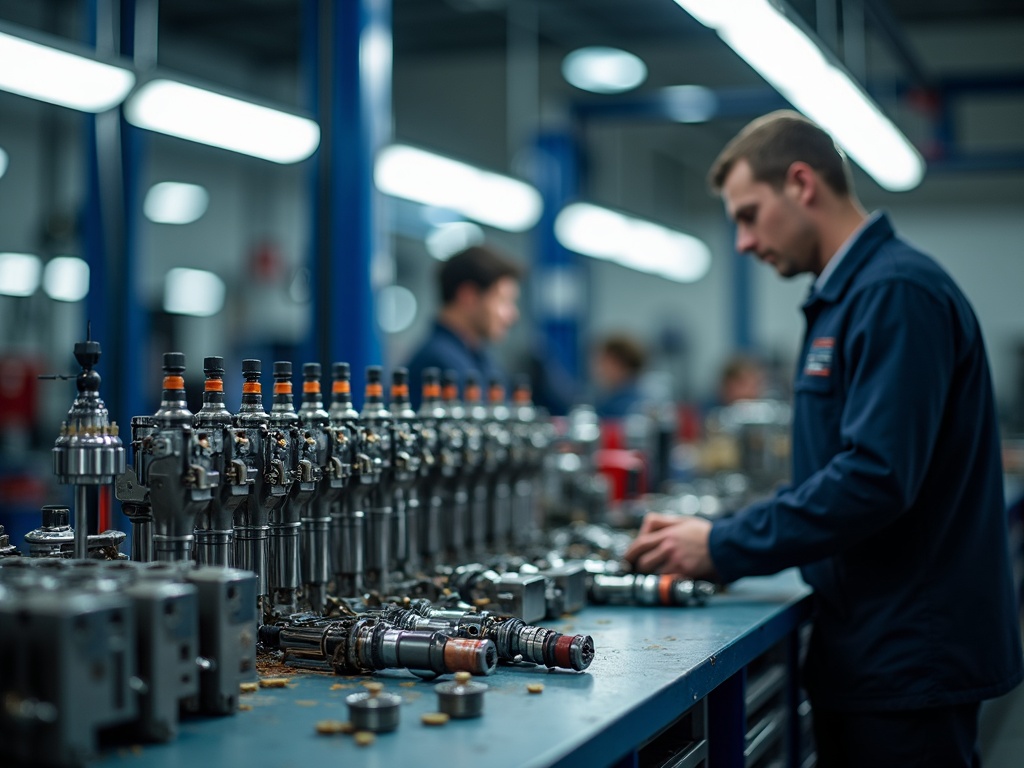
What Actually Happens When You Replace Your Fuel Injectors
For most drivers, fuel injectors are the last thing on their minds until something goes wrong with them. Then there’s a replacement option and the natural question of what actually happens once new ones go in. It’s more than just getting a broken part fixed, it’s restoring the engine and the control you’ve had over it to factory performance.
The First Change Drivers Notice
The first thing many people notice is how the engine finally responds. That pause when pressing the gas pedal to accelerate? Gone. That rough idle while stopped at a red light? Smoothed out. Why? Because fuel injectors spray fuel in exactly the right amounts at exactly the right time, and when they’re worn, replacement brings back an element of control which feels restored.
Throttle response is more immediate. When pressing down on the accelerator, there’s no delayed "catch up" response or hesitation to build RPMs after part replacement. These actions make sense because fuel is getting where it needs to go. Otherwise, without replacement, fuel doesn’t even have the opportunity to get where it needs to go in a timely fashion as injectors become clogged or worn and spray everything, but what the engine requires.
What’s Happening
Understand that fuel injectors are nothing more than spray nozzles. Once replaced, it’s like having new spray nozzles for your garden hose, they spray perfectly straight without missed spots. When they age, however, they spit and spatter and deliver uneven amounts in dribbles.
When new fuel injectors are installed, it restores that perfect spray, it atomizes fuel into a fine mist to mix with air within the combustion chamber for an effective explosion during combustion. Worn injectors never get to that stage and do everything but create misfires and loss of expected energy expulsion from every ounce of fuel required. This isn’t a game-changer, it simply restores the engine back to expected values that failed when compensating for worn parts.
For anyone who’s experiencing these issues check out Big Bang Injection at https://www.bigbanginjection.com/ for quality replacement options to restore effective fuel delivery and engine performance.
Under-the-Radar Changes Over Time
One major aspect that drivers don’t realize until it’s adjusted is fuel economy. Generally, it improves (but not all the time). Why? Because when engines experience failures with fuel injectors, they compensate by pushing more gas in as needed power generation often comes at the cost of fuel efficiency. Replacement gets the equilibrium that’s required and returns it to slightly better levels (not drastically) but enough to appreciate what’s going on under the hood versus what was just dealt with.
Cold starts are also easier with newly installed fuel injectors. When they’re failing, they have a more challenging time providing those precise volumes and mixtures when no added warmth is available by a running engine. Thus, quick starts from the garage come easier without delay as well as immediate smooth idling instead of rough choppiness as the engine kicks into gear and finds its footing once warmed up.
What New Injectors Don’t Do Perfectly Day One
New injectors also won’t feel right immediately on day one; that’s because there’s typically a short break-in period for the computer to learn replacement angles with something that actually works now instead of compensating parts that stood on their last leg for too long without replacement recommendation.
The break-in period lasts about 50-100 miles worth of driving, especially if normal driving occurs. There shouldn’t be a significant difference aside from the computer needing time to adapt for reaction improvements based on adjustments from oxygen sensors and other monitoring systems that evaluate combustion and engine temperature changes.
Why Improvements Stay Over Time
The best part about improvements is that they stay upon successful completion of a replacement because new injectors are engineered to continue providing consistent power to the operation (given proper maintenance and decent-quality gasoline).
Engines run cleaner inside as expected since proper atomization promotes burning before entering power-generation so there aren’t unwanted explosions creating carbon buildup directly on valves and pistons needing scrubbing later on down the road with engine cleaner.
In fact, engine wear slows down as well because combustion happens even across all cylinders instead of unevenly where some cylinders get hotter than others which creates more wear on specific points instead of allowing each section time for rest.
New intervals become more predictable as well; engines that experience subpar injectors develop secondary issues along the way: fouled spark plugs, clogged catalytic converters and stressed-out fuel pumps operating double time to make up for what wasn’t being done right; when proper injection is restored these other components are less stressed themselves and have longer lives too.
What Makes The Most Difference
Ultimately it comes down to performance consistency: having an engine with replaced fuel injectors offers predictability where there’s acceleration without hesitation, idling without a sound and expectations of operational learnings through computer adjustments nearly instantaneously based on reliable feedback from all levels of performance components.
When replaced people look back and say, "wow it drove like this?" because inevitably that’s how subpar performance happens over time; it’s not realized because it happens slowly. But once drivers get back behind their wheels having made the switch it leaves them with more confidence at their disposal than they realize was taken away from them over time despite adjustments that didn’t help as much as they could have.
Having replaced fuel injectors is like putting a brand-new engine into your vehicle; it’s giving an old friend a facelift because it can perform like new again when given not only proper care but now proper inside functionality thanks to replacement where there was none before.


