The SUV Features People Think They Need vs. What They Actually Use
The SUV Features People Think They Need vs. What They Actually Use
Walk into any dealership and the salesperson will enthusiastically point out every feature available on the SUVs they’re showing. Third-row seating. Towing capacity. All-wheel drive. Off-road packages. Advanced terrain management systems.
Most buyers nod along, convinced they need these capabilities. Then they buy the loaded model, drive it for years, and never actually use half of what they paid for.
Understanding the gap between imagined needs and real usage can save thousands and lead to better vehicle choices.
The Towing Capacity Nobody Uses
Towing capacity is one of the most overvalued features in SUV shopping. Buyers insist they need 5,000 or 7,000 pounds of towing capacity because they might want to pull a boat or camper someday.
Then "someday" never comes. Or it comes once, maybe twice in the years they own the vehicle. The capability sits unused while they’ve paid extra for the heavier-duty transmission, upgraded cooling, and reinforced frame that enable it.
Even buyers who do tow occasionally rarely need maximum capacity. Someone towing a small utility trailer a few times per year doesn’t need the same setup as someone regularly hauling a large camper. But the marketing makes it seem like more is always better.
The smart approach is being honest about actual towing plans. If there’s a specific boat or trailer sitting in the driveway, match capacity to that. If towing is theoretical "might want to someday," it’s probably not worth paying extra for maximum capability.
The Off-Road Package Paradox
Off-road packages are popular additions to SUVs. Skid plates, raised suspension, special drive modes, all-terrain tires. They look tough and suggest adventure.
Then the SUV spends its entire life on paved roads driving to work, running errands, and hauling kids to activities. The off-road capability never gets used because the owner never actually goes off-road.
This isn’t criticism of people who don’t off-road. It’s reality. Most SUV owners are buying transportation, not trail vehicles. But the marketing heavily emphasizes capability for activities most buyers won’t do, and people pay extra for it anyway.
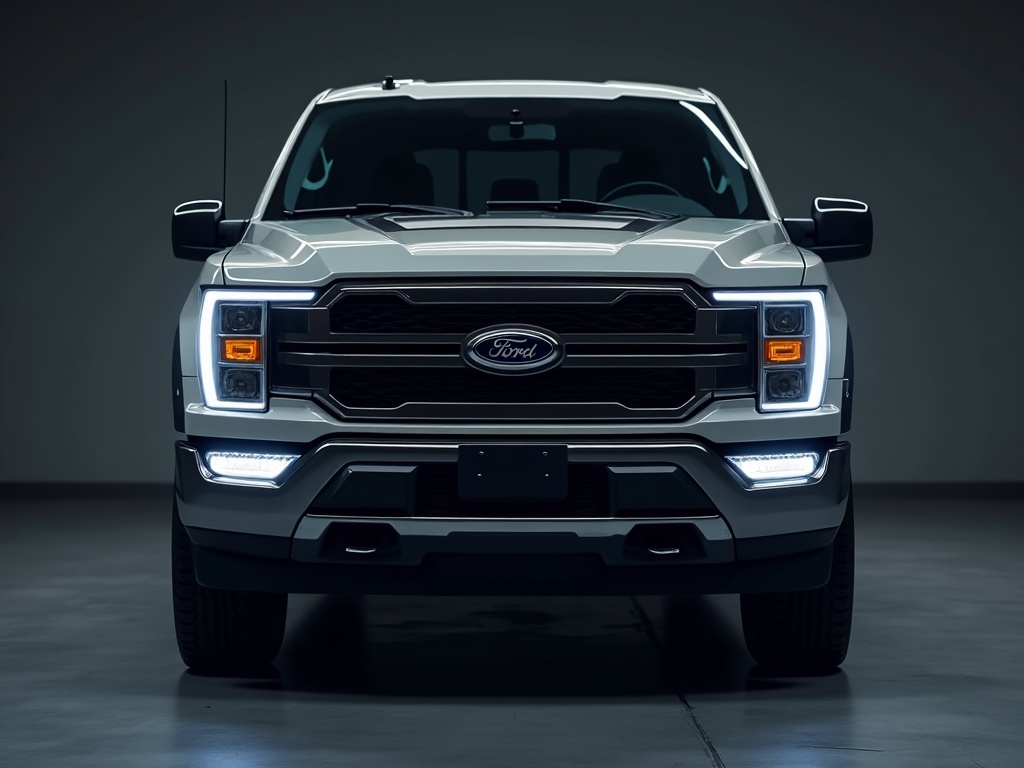
When comparing options like the Best Ford SUV Model for individual needs, the ones without off-road packages often make more sense for typical use cases—better ride quality on pavement, quieter highway driving, and lower cost.
The Third Row That Stays Folded
Third-row seating sounds practical when shopping. Extra space for passengers. Flexibility for carpooling. Room for visitors.
In reality, many three-row SUVs spend their entire lives with the third row folded down for cargo space. The occasional need for extra seating—maybe a handful of times per year—doesn’t justify the daily compromises of a larger, heavier vehicle with worse fuel economy.
Third rows in most SUVs are also cramped. They’re fine for kids on short trips but uncomfortable for adults or longer drives. So the actual usefulness is even more limited than the theoretical capability suggests.
Buyers would often be better served by a two-row SUV with more cargo space and better efficiency, renting a larger vehicle or taking two cars for the rare occasions when more seats are needed.
All-Wheel Drive vs. Reality
All-wheel drive is perhaps the most oversold feature in the SUV market. It sounds essential, especially to buyers in areas with winter weather. But the actual benefit is much narrower than most people realize.
AWD helps with acceleration in slippery conditions. That’s useful when starting from a stop on snow or ice. It doesn’t help with stopping, which is where most winter driving problems actually occur. It doesn’t help with steering. And it can create false confidence that leads to dangerous situations.
Many buyers would be better served by good winter tires on a two-wheel-drive vehicle than all-season tires on an AWD vehicle. But tires are boring to discuss and AWD is a prominent feature on the window sticker, so people pay thousands for AWD and skip the hundred-dollar tire upgrade that would actually help more.
For buyers who rarely encounter slippery conditions—which is most people, most of the time—AWD just means worse fuel economy and higher maintenance costs for a capability they rarely use.
The Tech Features That Go Unused
Modern SUVs come loaded with technology. Advanced driver assistance, premium audio systems, wireless charging, multiple USB ports, rear-seat entertainment screens. All of it sounds great in the showroom.
But how much gets used regularly? Many buyers never learn half the features in their infotainment system. The premium audio sounds nice initially but most people can’t tell the difference from the base system after the first week. Rear entertainment screens seemed essential for kids but tablets or phones do the same job.
The problem is these features come in packages. To get the two things someone actually wants, they have to buy eight things they don’t care about. The price adds up but the value doesn’t.
Space That’s Always Empty
SUV buyers often overestimate how much cargo space they need. They imagine hauling furniture, bringing camping gear, or loading up for family trips. The reality is the cargo area sits mostly empty most of the time.
The occasional large load—a few times per year—drives the decision to buy a large SUV that’s oversized for daily needs. That means paying more upfront, spending more on fuel, and dealing with parking difficulties all the time for capability needed rarely.
Roof racks, trailers, or delivery services can handle occasional large loads. Choosing vehicle size based on everyday needs rather than rare exceptions usually makes more sense.
The Luxury Trim Level Question
Top trim levels pack in every available feature. Leather everything, premium materials, upgraded everything. It sounds appealing and the monthly payment difference doesn’t seem huge when financed over six years.
But what are buyers actually getting for that extra money? Often it’s aesthetics and badge appeal rather than functional improvement. The mid-level trim gets from point A to point B just as well. The base model often has everything genuinely needed.
The question isn’t whether the luxury features are nice. They are. The question is whether they’re worth the cost for the buyer’s actual situation and priorities.
Making Smarter Decisions
The gap between perceived needs and actual usage isn’t about buyers being wrong or foolish. It’s about marketing that emphasizes capabilities over everyday reality and people naturally overestimating what they’ll do with a vehicle.
Better decisions come from honest assessment of real usage patterns. How often will the vehicle tow? How many passengers typically ride along? What terrain does it actually drive on? What features get used weekly versus yearly?
Basing choices on honest answers to these questions usually leads to different decisions than basing them on imagined future activities or worst-case scenarios that rarely happen.
The Financial Reality
Features cost money—upfront and ongoing. Higher trim levels mean higher purchase price, higher insurance, higher registration fees. More capability often means worse fuel economy, more expensive maintenance, and faster tire wear.
These costs compound over ownership. That extra $5,000 for features that rarely get used might seem manageable as a one-time expense, but factor in the interest if financed, higher insurance for five years, and reduced fuel economy over 100,000 miles, and the real cost is much higher.
Buyers who match vehicles to actual needs rather than imagined ones typically spend less, get better fuel economy, and end up just as satisfied—because they’re not missing features they wouldn’t have used anyway.


